Why Sustainable Packaging Is Becoming a Major Investment Theme
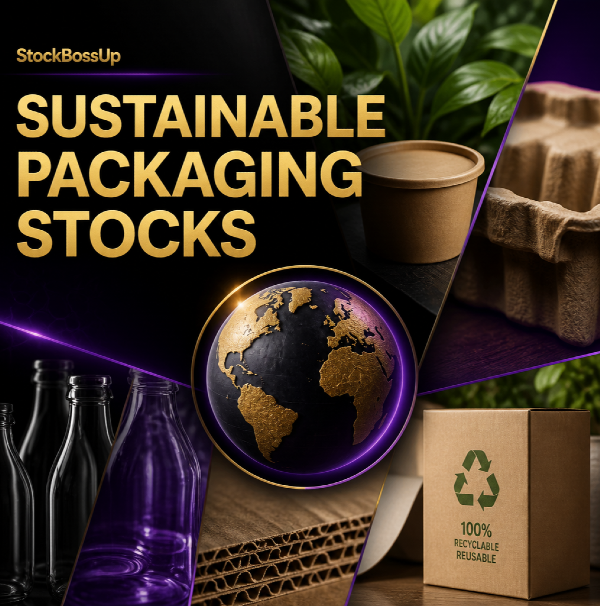
The rise of sustainable packaging stocks is driven by steady demand, strong regulation, and global pressure to reduce waste. Investors are watching this space because companies that lead in eco‑friendly materials often gain long‑term pricing power and brand trust.
Sustainable packaging has moved from a niche idea to a core part of supply chains. Major brands now rely on recyclable, compostable, or lightweight materials to meet customer expectations. Many of these brands partner with packaging leaders such as Amcor, Ball Corporation, and WestRock, which gives these companies a stable revenue base. Investors see this stability as a sign of resilience during economic swings.
Governments across the world are also pushing companies to reduce plastic waste. These rules create a steady pipeline of demand for firms that can innovate quickly. Some packaging companies now design products that use 60% less material than older versions, which lowers costs for customers and boosts margins for producers.
Consumer behavior is another major force. People want packaging that feels responsible and safe. This shift has helped sustainable packaging companies win contracts with food, beverage, and personal‑care brands. These contracts often last for years, which supports predictable cash flow.
A unique fact in this space is that mushrooms can be grown into packaging shapes that replace foam containers. Another lesser‑known detail is that some recycled aluminum can be reused almost endlessly without losing strength. These facts show how wide the innovation range has become.
Below is a snapshot of how major packaging segments are growing:
| Packaging Segment |
Growth Driver |
Adoption Trend |
| Recyclable Plastics |
Lower waste and lower cost |
Rising |
| Aluminum Containers |
High reuse rate |
Strong |
| Paper‑Based Packaging |
Easy to scale |
Steady |
| Compostable Materials |
Regulation‑driven |
Growing |
Why Amcor Remains a Core Player in Sustainable Packaging
Amcor’s leadership in recyclable and lightweight materials makes it a central stock to watch. The company has built a global footprint that gives it access to major consumer brands and fast‑growing markets.
Amcor focuses on flexible packaging, which is used in food, medical, and household products. Flexible packaging reduces shipping weight and lowers emissions. This gives Amcor a competitive edge as brands look for ways to cut carbon output. The company’s research teams also work on new materials that break down faster or use fewer resources.
The company’s scale allows it to invest heavily in innovation. Amcor has pledged to make all its packaging recyclable or reusable within the next few years. This commitment aligns with global sustainability goals and positions the company as a long‑term partner for major brands. Investors often view this type of commitment as a sign of strong leadership.
Amcor also benefits from its global supply chain. It operates in dozens of countries, which helps it serve multinational clients. This reach reduces risk because the company is not tied to one region or one industry. When one market slows, another often picks up.
The company’s financial stability is another reason investors watch it closely. Amcor generates consistent cash flow, which supports dividends and long‑term investment. This stability makes it appealing to investors who want exposure to sustainability without taking on excessive risk.
| Company Metric |
Amcor Position |
Investor Impact |
| Global Reach |
Broad |
Lower risk |
| Material Innovation |
Strong |
Long‑term growth |
| Customer Base |
Diverse |
Stable revenue |
| Sustainability Goals |
Clear |
Higher trust |
Why Ball Corporation Is a Leader in Recyclable Aluminum Packaging
Ball Corporation stands out because aluminum is one of the most recyclable materials in the world. The company’s focus on aluminum cans and containers gives it a strong position in the sustainability movement.
Aluminum can be recycled many times without losing quality. This makes it a preferred choice for beverage companies that want to reduce waste. Ball Corporation works with major drink brands, which gives it a steady demand base. These partnerships often last for years, creating predictable revenue.
The company has also invested in lightweight aluminum designs. These designs reduce shipping costs and lower emissions. This helps brands meet sustainability goals while keeping costs under control. Investors see this as a sign of operational strength.
Ball Corporation’s global footprint also supports its growth. It operates in North America, Europe, and emerging markets. This reach helps the company adapt to changing consumer trends and regulatory environments. When one region tightens rules on plastic, Ball is ready with aluminum solutions.
The company’s focus on innovation is another advantage. Ball has developed specialty cans for energy drinks, sparkling water, and craft beverages. These products help brands stand out on store shelves. They also create new revenue streams for Ball.
| Aluminum Advantage |
Benefit |
Market Effect |
| High Recyclability |
Lower waste |
Strong demand |
| Lightweight Design |
Lower shipping cost |
Higher margins |
| Global Supply Chain |
Broad reach |
Stable growth |
| Specialty Products |
Brand differentiation |
New revenue |
Why WestRock Is a Key Player in Paper‑Based Packaging
WestRock is a major force in paper‑based packaging, which is one of the fastest‑growing segments in sustainability. The company’s focus on corrugated boxes and fiber‑based materials gives it a strong position in e‑commerce and retail.
Paper‑based packaging is popular because it is easy to recycle and scale. WestRock produces millions of boxes used by retailers, shipping companies, and consumer brands. This demand has grown as online shopping expands. Investors see this trend as a long‑term driver of revenue.
The company also invests in advanced paper technologies. These technologies improve strength while reducing material use. This helps customers lower costs and reduce waste. WestRock’s ability to innovate in a mature industry sets it apart from competitors.
WestRock’s customer base is diverse. It serves food companies, electronics brands, and industrial clients. This diversity helps stabilize revenue during economic shifts. When one sector slows, another often grows.
The company’s sustainability goals also attract investor attention. WestRock aims to increase recycled content and reduce emissions across its operations. These goals align with global trends and help the company win long‑term contracts.
| Paper Packaging Type |
Use Case |
Sustainability Benefit |
| Corrugated Boxes |
Shipping |
High recyclability |
| Folding Cartons |
Retail |
Lower waste |
| Fiber Containers |
Food |
Compostable options |
| Specialty Paper |
Branding |
Customizable |
Why Graphic Packaging Holding Company Is Gaining Investor Interest
Graphic Packaging Holding Company is gaining attention because it focuses on fiber‑based packaging for food and beverage brands. Its products replace plastic in many everyday items, which supports global sustainability goals.
The company works with major brands that want to reduce plastic use. Its fiber‑based cartons are used for cereal, frozen foods, beverages, and snacks. These products are easy to recycle and fit well with consumer expectations. Investors see this alignment as a sign of long‑term demand.
Graphic Packaging has also invested in advanced recycling systems. These systems help the company reuse more fiber and reduce waste. This lowers production costs and improves margins. The company’s focus on efficiency makes it appealing to investors who want both sustainability and profitability.
The company’s growth strategy includes expanding its global footprint. It has made acquisitions that strengthen its position in Europe and North America. These moves help the company serve large multinational clients and enter new markets.
Graphic Packaging also benefits from strong industry trends. As more brands commit to reducing plastic, fiber‑based packaging becomes a preferred choice. This shift supports steady revenue growth and long‑term stability.
| Fiber Packaging Feature |
Benefit |
Brand Impact |
| Recyclable |
Lower waste |
Higher trust |
| Lightweight |
Lower shipping cost |
Better margins |
| Customizable |
Strong branding |
Higher shelf appeal |
| Scalable |
Broad use |
Stable demand |
Why Sealed Air Is Innovating Beyond Traditional Packaging
Sealed Air is known for protective packaging, but it has expanded into sustainable materials that reduce waste and improve efficiency. This shift has made the company a notable stock in the sustainability space.
The company develops packaging that protects goods during shipping while using fewer resources. Its designs help reduce damage, which lowers returns and waste. This is important for e‑commerce companies that ship millions of items each day. Investors see this as a strong value proposition.
Sealed Air also invests in automation and smart packaging. These systems help companies pack items faster and with less material. This reduces labor costs and improves sustainability. The company’s focus on technology sets it apart from traditional packaging firms.
The company’s sustainability goals include increasing recycled content and reducing emissions. These goals align with global trends and help the company win contracts with major brands. Investors view these commitments as signs of long‑term strength.
Sealed Air’s global reach also supports its growth. It serves clients in food, healthcare, and industrial markets. This diversity helps stabilize revenue and reduce risk.
| Protective Packaging Type |
Use Case |
Sustainability Benefit |
| Air Cushions |
Shipping |
Lower material use |
| Foam Alternatives |
Fragile goods |
Recyclable options |
| Automated Systems |
Warehouses |
Lower waste |
| Smart Packaging |
Food |
Longer shelf life |
Final Thoughts on Sustainable Packaging Stocks
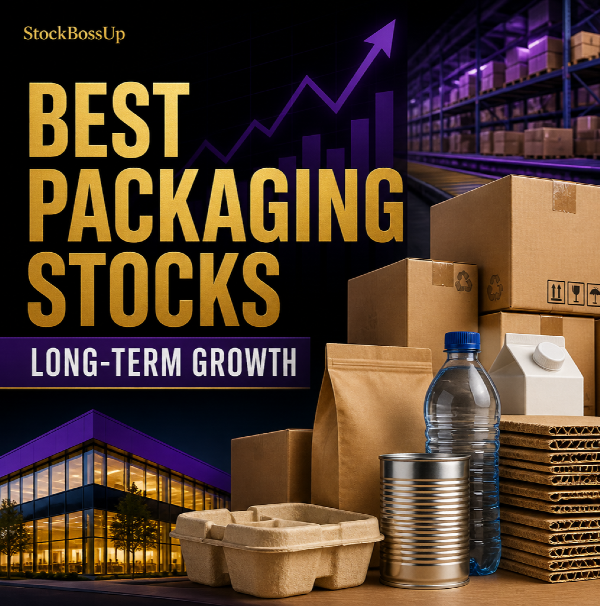
Sustainable packaging stocks offer a mix of innovation, stability, and long‑term growth. Companies like Amcor, Ball Corporation, WestRock, Graphic Packaging, and Sealed Air are shaping the future of packaging through recyclable materials, fiber‑based solutions, and advanced technology.
These companies benefit from strong consumer demand, global regulations, and major brand partnerships. Their focus on sustainability also supports long‑term revenue and investor confidence. As the world continues to shift toward responsible materials, these stocks remain important to watch.
🔎 Read More: Explore the Packaging & Containers Investing Hub
Market Rankings & Investor Lists
Industry Segments & Material Leaders
Financial Performance & Fundamentals
Valuation, Capital Strategy & Competitive Edge
Innovation, Technology & Market Trends










Why Sustainable Packaging Is Becoming a Major Investment Theme
The rise of sustainable packaging stocks is driven by steady demand, strong regulation, and global pressure to reduce waste. Investors are watching this space because companies that lead in eco‑friendly materials often gain long‑term pricing power and brand trust.
Sustainable packaging has moved from a niche idea to a core part of supply chains. Major brands now rely on recyclable, compostable, or lightweight materials to meet customer expectations. Many of these brands partner with packaging leaders such as Amcor, Ball Corporation, and WestRock, which gives these companies a stable revenue base. Investors see this stability as a sign of resilience during economic swings.
Governments across the world are also pushing companies to reduce plastic waste. These rules create a steady pipeline of demand for firms that can innovate quickly. Some packaging companies now design products that use 60% less material than older versions, which lowers costs for customers and boosts margins for producers.
Consumer behavior is another major force. People want packaging that feels responsible and safe. This shift has helped sustainable packaging companies win contracts with food, beverage, and personal‑care brands. These contracts often last for years, which supports predictable cash flow.
A unique fact in this space is that mushrooms can be grown into packaging shapes that replace foam containers. Another lesser‑known detail is that some recycled aluminum can be reused almost endlessly without losing strength. These facts show how wide the innovation range has become.
Below is a snapshot of how major packaging segments are growing:
Why Amcor Remains a Core Player in Sustainable Packaging
Amcor’s leadership in recyclable and lightweight materials makes it a central stock to watch. The company has built a global footprint that gives it access to major consumer brands and fast‑growing markets.
Amcor focuses on flexible packaging, which is used in food, medical, and household products. Flexible packaging reduces shipping weight and lowers emissions. This gives Amcor a competitive edge as brands look for ways to cut carbon output. The company’s research teams also work on new materials that break down faster or use fewer resources.
The company’s scale allows it to invest heavily in innovation. Amcor has pledged to make all its packaging recyclable or reusable within the next few years. This commitment aligns with global sustainability goals and positions the company as a long‑term partner for major brands. Investors often view this type of commitment as a sign of strong leadership.
Amcor also benefits from its global supply chain. It operates in dozens of countries, which helps it serve multinational clients. This reach reduces risk because the company is not tied to one region or one industry. When one market slows, another often picks up.
The company’s financial stability is another reason investors watch it closely. Amcor generates consistent cash flow, which supports dividends and long‑term investment. This stability makes it appealing to investors who want exposure to sustainability without taking on excessive risk.
Why Ball Corporation Is a Leader in Recyclable Aluminum Packaging
Ball Corporation stands out because aluminum is one of the most recyclable materials in the world. The company’s focus on aluminum cans and containers gives it a strong position in the sustainability movement.
Aluminum can be recycled many times without losing quality. This makes it a preferred choice for beverage companies that want to reduce waste. Ball Corporation works with major drink brands, which gives it a steady demand base. These partnerships often last for years, creating predictable revenue.
The company has also invested in lightweight aluminum designs. These designs reduce shipping costs and lower emissions. This helps brands meet sustainability goals while keeping costs under control. Investors see this as a sign of operational strength.
Ball Corporation’s global footprint also supports its growth. It operates in North America, Europe, and emerging markets. This reach helps the company adapt to changing consumer trends and regulatory environments. When one region tightens rules on plastic, Ball is ready with aluminum solutions.
The company’s focus on innovation is another advantage. Ball has developed specialty cans for energy drinks, sparkling water, and craft beverages. These products help brands stand out on store shelves. They also create new revenue streams for Ball.
Why WestRock Is a Key Player in Paper‑Based Packaging
WestRock is a major force in paper‑based packaging, which is one of the fastest‑growing segments in sustainability. The company’s focus on corrugated boxes and fiber‑based materials gives it a strong position in e‑commerce and retail.
Paper‑based packaging is popular because it is easy to recycle and scale. WestRock produces millions of boxes used by retailers, shipping companies, and consumer brands. This demand has grown as online shopping expands. Investors see this trend as a long‑term driver of revenue.
The company also invests in advanced paper technologies. These technologies improve strength while reducing material use. This helps customers lower costs and reduce waste. WestRock’s ability to innovate in a mature industry sets it apart from competitors.
WestRock’s customer base is diverse. It serves food companies, electronics brands, and industrial clients. This diversity helps stabilize revenue during economic shifts. When one sector slows, another often grows.
The company’s sustainability goals also attract investor attention. WestRock aims to increase recycled content and reduce emissions across its operations. These goals align with global trends and help the company win long‑term contracts.
Why Graphic Packaging Holding Company Is Gaining Investor Interest
Graphic Packaging Holding Company is gaining attention because it focuses on fiber‑based packaging for food and beverage brands. Its products replace plastic in many everyday items, which supports global sustainability goals.
The company works with major brands that want to reduce plastic use. Its fiber‑based cartons are used for cereal, frozen foods, beverages, and snacks. These products are easy to recycle and fit well with consumer expectations. Investors see this alignment as a sign of long‑term demand.
Graphic Packaging has also invested in advanced recycling systems. These systems help the company reuse more fiber and reduce waste. This lowers production costs and improves margins. The company’s focus on efficiency makes it appealing to investors who want both sustainability and profitability.
The company’s growth strategy includes expanding its global footprint. It has made acquisitions that strengthen its position in Europe and North America. These moves help the company serve large multinational clients and enter new markets.
Graphic Packaging also benefits from strong industry trends. As more brands commit to reducing plastic, fiber‑based packaging becomes a preferred choice. This shift supports steady revenue growth and long‑term stability.
Why Sealed Air Is Innovating Beyond Traditional Packaging
Sealed Air is known for protective packaging, but it has expanded into sustainable materials that reduce waste and improve efficiency. This shift has made the company a notable stock in the sustainability space.
The company develops packaging that protects goods during shipping while using fewer resources. Its designs help reduce damage, which lowers returns and waste. This is important for e‑commerce companies that ship millions of items each day. Investors see this as a strong value proposition.
Sealed Air also invests in automation and smart packaging. These systems help companies pack items faster and with less material. This reduces labor costs and improves sustainability. The company’s focus on technology sets it apart from traditional packaging firms.
The company’s sustainability goals include increasing recycled content and reducing emissions. These goals align with global trends and help the company win contracts with major brands. Investors view these commitments as signs of long‑term strength.
Sealed Air’s global reach also supports its growth. It serves clients in food, healthcare, and industrial markets. This diversity helps stabilize revenue and reduce risk.
Final Thoughts on Sustainable Packaging Stocks
Sustainable packaging stocks offer a mix of innovation, stability, and long‑term growth. Companies like Amcor, Ball Corporation, WestRock, Graphic Packaging, and Sealed Air are shaping the future of packaging through recyclable materials, fiber‑based solutions, and advanced technology.
These companies benefit from strong consumer demand, global regulations, and major brand partnerships. Their focus on sustainability also supports long‑term revenue and investor confidence. As the world continues to shift toward responsible materials, these stocks remain important to watch.
🔎 Read More: Explore the Packaging & Containers Investing Hub
Market Rankings & Investor Lists
Industry Segments & Material Leaders
Financial Performance & Fundamentals
Valuation, Capital Strategy & Competitive Edge
Innovation, Technology & Market Trends