Key Takeaways
🚢 Global container leaders keep supply chains stable and reduce delivery risks
The largest container companies maintain steady trade flows by controlling massive fleets and strong port networks. Their scale helps prevent major delays during demand spikes and supports predictable shipping cycles for retailers and manufacturers. Their investments in cleaner fuels and digital tools also strengthen long‑term supply chain resilience.
🌍 Maersk, MSC, COSCO, CMA CGM, and Hapag‑Lloyd shape global freight pricing
These companies influence freight rates because they manage the majority of global container capacity. Their decisions on vessel deployment, fuel strategy, and port partnerships affect shipping costs across industries. Their ability to shift capacity quickly helps stabilize markets during economic swings.
⚓ Technology and sustainability are becoming core advantages in container shipping
Digital tracking, predictive analytics, and automated documentation make shipping more transparent and reliable. Cleaner fuels such as LNG and methanol reduce emissions and help carriers meet global standards. Companies that adopt these tools gain efficiency and long‑term cost benefits.
📦 Port access and integrated logistics networks determine long‑term competitiveness
Carriers with strong terminal partnerships or owned ports move containers faster and with fewer bottlenecks. Integrated logistics models that include warehousing, trucking, and air cargo give customers more control over delivery times. These advantages help companies maintain reliability even during global disruptions.
How Global Container Leaders Keep Goods Moving
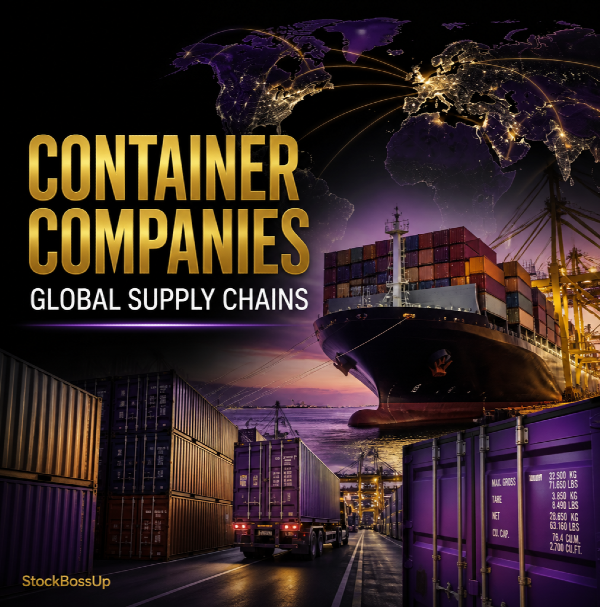
The companies that dominate container shipping keep global trade stable even when demand shifts fast. Their fleets, ports, and logistics networks give them the power to move goods across continents with fewer delays and lower costs. This reach makes them essential to retailers, manufacturers, and energy producers that depend on predictable delivery cycles.
Container shipping is the backbone of world commerce. More than 90% of traded goods move by sea, and the largest carriers shape how fast those goods reach markets. Their scale lets them negotiate better fuel contracts, secure port access, and invest in digital tools that smaller carriers cannot match. These advantages help them stay resilient during economic swings.
The global supply chain depends on predictable container flows. When carriers operate efficiently, shelves stay stocked and factories avoid shutdowns. When they struggle, the ripple effects hit every part of the economy. This is why investors and operators watch the largest container companies closely. Their decisions influence freight rates, delivery times, and even inflation trends.
Container companies also play a major role in sustainability. Many are shifting to cleaner fuels, smarter routing, and energy‑efficient vessels. These changes reduce emissions and help ports operate with less congestion. The companies that lead in these areas often gain long‑term cost advantages.
Below is a look at the top container companies shaping global trade today. Each one has a unique strategy, but all share a focus on scale, reliability, and network strength.
Why Maersk Remains a Global Shipping Powerhouse
Maersk stays at the top of the container industry because it controls one of the world’s largest fleets and operates a vast logistics network. Its integrated model lets customers book shipping, warehousing, and inland transport through a single system. This reduces friction and helps Maersk maintain strong customer loyalty.
Maersk’s scale gives it leverage in fuel sourcing, port access, and vessel deployment. The company can shift capacity quickly when demand changes. This flexibility helps stabilize freight rates and keeps goods moving even during peak seasons. Maersk also invests heavily in digital tools that track containers in real time.
The company’s push toward cleaner energy sets it apart. Maersk has ordered methanol‑powered vessels and is testing new fuel blends to cut emissions. This shift is not only good for the environment but also reduces long‑term operating costs. Cleaner ships often face fewer regulatory hurdles and can access more ports.
Maersk’s global footprint includes terminals, warehouses, and trucking fleets. This reach gives it control over more steps in the supply chain. Customers benefit from fewer handoffs and more predictable delivery times. This model also helps Maersk capture more revenue per shipment.
One unique fact about Maersk is that it once operated the world’s largest ship, which was longer than the height of the Eiffel Tower. Another lesser‑known detail is that Maersk has experimented with using drones to deliver spare parts to vessels at sea.
Major Maersk Strengths
- Fleet scale — One of the largest container fleets in the world.
- Integrated logistics — End‑to‑end shipping and inland transport.
- Fuel innovation — Early adoption of methanol‑powered vessels.
- Global terminals — Strong port presence across continents.
How MSC Became the Largest Container Carrier
MSC leads the world in container capacity because it invests aggressively in new vessels and route expansion. Its strategy focuses on scale and flexibility rather than owning large logistics networks. This lets MSC adjust quickly to market shifts and deploy ships where demand is strongest.
MSC’s fleet growth has been rapid. The company adds new vessels at a pace unmatched by most competitors. This expansion helps MSC offer more frequent sailings and reach more ports. Customers value this flexibility, especially during peak seasons when capacity is tight.
The company also excels at route optimization. MSC studies trade flows and adjusts schedules to reduce empty container repositioning. This improves efficiency and lowers costs. The company’s ability to shift vessels between trade lanes helps stabilize global freight rates.
MSC’s partnerships with ports and inland carriers strengthen its network. While it does not own as many terminals as some competitors, it secures long‑term agreements that guarantee access. This approach keeps costs lower and allows MSC to focus on fleet expansion.
MSC’s leadership in vessel size is notable. The company operates some of the world’s largest container ships, which can carry more than 24,000 TEUs. These ships reduce per‑container costs and help MSC maintain competitive pricing.
MSC Competitive Advantages
- Route flexibility — Fast adjustments to global trade flows.
- Mega‑vessels — Some of the largest ships in operation.
- Port partnerships — Strong agreements with major terminals.
- Rapid expansion — Continuous investment in new vessels.
Why COSCO Plays a Strategic Role in Global Trade
COSCO stands out because it blends commercial shipping strength with strategic national support. Its network covers major trade lanes across Asia, Europe, and the Americas. COSCO’s port ownership gives it control over key gateways that shape global cargo flows.
COSCO’s fleet is large and diverse. It includes container ships, bulk carriers, and specialized vessels. This mix helps the company serve many industries. COSCO also invests in digital tracking tools that improve visibility across its network.
The company’s port assets are a major advantage. COSCO owns or operates terminals in China, Greece, Spain, and other regions. These terminals give it priority access and help reduce congestion. Customers benefit from faster loading and unloading times.
COSCO’s role in the Belt and Road Initiative expands its reach. New rail and sea routes connect Asia to Europe and Africa. These routes create new trade opportunities and strengthen COSCO’s position in global logistics.
COSCO also focuses on sustainability. The company invests in cleaner fuels and energy‑efficient vessels. These efforts help reduce emissions and improve long‑term cost efficiency.
COSCO Strengths
- Port ownership — Control over key global terminals.
- Belt and Road — Access to new trade corridors.
- Fleet diversity — Ability to serve many cargo types.
- Digital tracking — Better visibility for customers.
How CMA CGM Builds Strength Through Innovation
CMA CGM grows by combining strong fleet operations with advanced digital tools. Its focus on technology helps customers track shipments, manage documents, and predict delays. This digital edge sets CMA CGM apart from many competitors.
The company invests heavily in cleaner energy. CMA CGM operates LNG‑powered vessels and is testing new fuel blends. These efforts reduce emissions and help the company meet global environmental standards. Cleaner ships also face fewer regulatory barriers.
CMA CGM’s logistics arm expands its reach beyond the sea. The company owns warehouses, trucking fleets, and air cargo operations. This integrated model helps customers manage complex supply chains. It also gives CMA CGM more control over delivery times.
The company’s global network covers major trade lanes. Its strong presence in Europe, Asia, and the Middle East helps it serve diverse industries. CMA CGM also partners with ports to secure long‑term access and improve efficiency.
CMA CGM’s focus on customer service is notable. The company offers digital dashboards, real‑time tracking, and predictive analytics. These tools help customers plan better and reduce delays.
CMA CGM Advantages
- Digital tools — Real‑time tracking and analytics.
- LNG vessels — Cleaner and more efficient ships.
- Integrated logistics — Control over more supply chain steps.
- Global reach — Strong presence across major trade lanes.
How Hapag‑Lloyd Maintains Reliability in Global Shipping
Hapag‑Lloyd earns customer trust through consistent service and strong operational discipline. Its focus on reliability helps it maintain stable relationships with retailers, manufacturers, and food producers. The company’s network covers major trade lanes across the Americas, Europe, and Asia.
Hapag‑Lloyd invests in digital tools that improve shipment visibility. Customers can track containers, manage documents, and receive alerts. These tools help reduce delays and improve planning. The company also uses data to optimize routes and reduce fuel use.
The company’s fleet includes modern, energy‑efficient vessels. These ships help reduce emissions and lower operating costs. Hapag‑Lloyd also invests in cleaner fuels and new technologies that improve efficiency.
Hapag‑Lloyd’s partnerships with ports strengthen its network. The company secures long‑term access to key terminals. This helps reduce congestion and improve loading times. Customers benefit from more predictable schedules.
The company’s financial discipline sets it apart. Hapag‑Lloyd manages costs carefully and invests in areas that improve long‑term performance. This approach helps it stay competitive even during market downturns.
Hapag‑Lloyd Strengths
- Operational discipline — Strong focus on reliability.
- Digital visibility — Tools that improve planning.
- Energy efficiency — Modern vessels with lower emissions.
- Port access — Strong terminal partnerships.
Comparative Snapshot of Leading Container Companies
| Company |
Fleet Size |
Key Strength |
Primary Regions |
| Maersk |
Very Large |
Integrated logistics |
Global |
| MSC |
Largest |
Mega‑vessel scale |
Global |
| COSCO |
Large |
Port ownership |
Asia, Europe |
| CMA CGM |
Large |
Digital innovation |
Europe, Asia |
| Hapag‑Lloyd |
Medium‑Large |
Reliability |
Americas, Europe |
How These Companies Shape the Future of Global Supply Chains
The largest container companies shape the future of global trade by investing in cleaner fuels, digital tools, and larger vessels. Their decisions influence freight rates, delivery times, and supply chain stability. These companies also help reduce emissions and improve port efficiency.
Their investments in technology make shipping more predictable. Real‑time tracking, digital documents, and predictive analytics help customers plan better. These tools reduce delays and improve supply chain resilience.
Cleaner fuels are becoming more important. Companies that adopt LNG, methanol, or hybrid systems gain long‑term cost advantages. These fuels reduce emissions and help carriers meet global environmental standards.
Fleet expansion also plays a major role. Larger vessels reduce per‑container costs and help stabilize freight rates. Companies that invest in modern ships gain a competitive edge.
Port partnerships strengthen global networks. Access to key terminals reduces congestion and improves loading times. This helps carriers maintain reliable schedules.
🔎 Read More: Explore the Packaging & Containers Investing Hub
Market Rankings & Investor Lists
Industry Segments & Material Leaders
Financial Performance & Fundamentals
Valuation, Capital Strategy & Competitive Edge
Innovation, Technology & Market Trends



















Key Takeaways
🚢 Global container leaders keep supply chains stable and reduce delivery risks
The largest container companies maintain steady trade flows by controlling massive fleets and strong port networks. Their scale helps prevent major delays during demand spikes and supports predictable shipping cycles for retailers and manufacturers. Their investments in cleaner fuels and digital tools also strengthen long‑term supply chain resilience.
🌍 Maersk, MSC, COSCO, CMA CGM, and Hapag‑Lloyd shape global freight pricing
These companies influence freight rates because they manage the majority of global container capacity. Their decisions on vessel deployment, fuel strategy, and port partnerships affect shipping costs across industries. Their ability to shift capacity quickly helps stabilize markets during economic swings.
⚓ Technology and sustainability are becoming core advantages in container shipping
Digital tracking, predictive analytics, and automated documentation make shipping more transparent and reliable. Cleaner fuels such as LNG and methanol reduce emissions and help carriers meet global standards. Companies that adopt these tools gain efficiency and long‑term cost benefits.
📦 Port access and integrated logistics networks determine long‑term competitiveness
Carriers with strong terminal partnerships or owned ports move containers faster and with fewer bottlenecks. Integrated logistics models that include warehousing, trucking, and air cargo give customers more control over delivery times. These advantages help companies maintain reliability even during global disruptions.
How Global Container Leaders Keep Goods Moving
The companies that dominate container shipping keep global trade stable even when demand shifts fast. Their fleets, ports, and logistics networks give them the power to move goods across continents with fewer delays and lower costs. This reach makes them essential to retailers, manufacturers, and energy producers that depend on predictable delivery cycles.
Container shipping is the backbone of world commerce. More than 90% of traded goods move by sea, and the largest carriers shape how fast those goods reach markets. Their scale lets them negotiate better fuel contracts, secure port access, and invest in digital tools that smaller carriers cannot match. These advantages help them stay resilient during economic swings.
The global supply chain depends on predictable container flows. When carriers operate efficiently, shelves stay stocked and factories avoid shutdowns. When they struggle, the ripple effects hit every part of the economy. This is why investors and operators watch the largest container companies closely. Their decisions influence freight rates, delivery times, and even inflation trends.
Container companies also play a major role in sustainability. Many are shifting to cleaner fuels, smarter routing, and energy‑efficient vessels. These changes reduce emissions and help ports operate with less congestion. The companies that lead in these areas often gain long‑term cost advantages.
Below is a look at the top container companies shaping global trade today. Each one has a unique strategy, but all share a focus on scale, reliability, and network strength.
Why Maersk Remains a Global Shipping Powerhouse
Maersk stays at the top of the container industry because it controls one of the world’s largest fleets and operates a vast logistics network. Its integrated model lets customers book shipping, warehousing, and inland transport through a single system. This reduces friction and helps Maersk maintain strong customer loyalty.
Maersk’s scale gives it leverage in fuel sourcing, port access, and vessel deployment. The company can shift capacity quickly when demand changes. This flexibility helps stabilize freight rates and keeps goods moving even during peak seasons. Maersk also invests heavily in digital tools that track containers in real time.
The company’s push toward cleaner energy sets it apart. Maersk has ordered methanol‑powered vessels and is testing new fuel blends to cut emissions. This shift is not only good for the environment but also reduces long‑term operating costs. Cleaner ships often face fewer regulatory hurdles and can access more ports.
Maersk’s global footprint includes terminals, warehouses, and trucking fleets. This reach gives it control over more steps in the supply chain. Customers benefit from fewer handoffs and more predictable delivery times. This model also helps Maersk capture more revenue per shipment.
One unique fact about Maersk is that it once operated the world’s largest ship, which was longer than the height of the Eiffel Tower. Another lesser‑known detail is that Maersk has experimented with using drones to deliver spare parts to vessels at sea.
Major Maersk Strengths
How MSC Became the Largest Container Carrier
MSC leads the world in container capacity because it invests aggressively in new vessels and route expansion. Its strategy focuses on scale and flexibility rather than owning large logistics networks. This lets MSC adjust quickly to market shifts and deploy ships where demand is strongest.
MSC’s fleet growth has been rapid. The company adds new vessels at a pace unmatched by most competitors. This expansion helps MSC offer more frequent sailings and reach more ports. Customers value this flexibility, especially during peak seasons when capacity is tight.
The company also excels at route optimization. MSC studies trade flows and adjusts schedules to reduce empty container repositioning. This improves efficiency and lowers costs. The company’s ability to shift vessels between trade lanes helps stabilize global freight rates.
MSC’s partnerships with ports and inland carriers strengthen its network. While it does not own as many terminals as some competitors, it secures long‑term agreements that guarantee access. This approach keeps costs lower and allows MSC to focus on fleet expansion.
MSC’s leadership in vessel size is notable. The company operates some of the world’s largest container ships, which can carry more than 24,000 TEUs. These ships reduce per‑container costs and help MSC maintain competitive pricing.
MSC Competitive Advantages
Why COSCO Plays a Strategic Role in Global Trade
COSCO stands out because it blends commercial shipping strength with strategic national support. Its network covers major trade lanes across Asia, Europe, and the Americas. COSCO’s port ownership gives it control over key gateways that shape global cargo flows.
COSCO’s fleet is large and diverse. It includes container ships, bulk carriers, and specialized vessels. This mix helps the company serve many industries. COSCO also invests in digital tracking tools that improve visibility across its network.
The company’s port assets are a major advantage. COSCO owns or operates terminals in China, Greece, Spain, and other regions. These terminals give it priority access and help reduce congestion. Customers benefit from faster loading and unloading times.
COSCO’s role in the Belt and Road Initiative expands its reach. New rail and sea routes connect Asia to Europe and Africa. These routes create new trade opportunities and strengthen COSCO’s position in global logistics.
COSCO also focuses on sustainability. The company invests in cleaner fuels and energy‑efficient vessels. These efforts help reduce emissions and improve long‑term cost efficiency.
COSCO Strengths
How CMA CGM Builds Strength Through Innovation
CMA CGM grows by combining strong fleet operations with advanced digital tools. Its focus on technology helps customers track shipments, manage documents, and predict delays. This digital edge sets CMA CGM apart from many competitors.
The company invests heavily in cleaner energy. CMA CGM operates LNG‑powered vessels and is testing new fuel blends. These efforts reduce emissions and help the company meet global environmental standards. Cleaner ships also face fewer regulatory barriers.
CMA CGM’s logistics arm expands its reach beyond the sea. The company owns warehouses, trucking fleets, and air cargo operations. This integrated model helps customers manage complex supply chains. It also gives CMA CGM more control over delivery times.
The company’s global network covers major trade lanes. Its strong presence in Europe, Asia, and the Middle East helps it serve diverse industries. CMA CGM also partners with ports to secure long‑term access and improve efficiency.
CMA CGM’s focus on customer service is notable. The company offers digital dashboards, real‑time tracking, and predictive analytics. These tools help customers plan better and reduce delays.
CMA CGM Advantages
How Hapag‑Lloyd Maintains Reliability in Global Shipping
Hapag‑Lloyd earns customer trust through consistent service and strong operational discipline. Its focus on reliability helps it maintain stable relationships with retailers, manufacturers, and food producers. The company’s network covers major trade lanes across the Americas, Europe, and Asia.
Hapag‑Lloyd invests in digital tools that improve shipment visibility. Customers can track containers, manage documents, and receive alerts. These tools help reduce delays and improve planning. The company also uses data to optimize routes and reduce fuel use.
The company’s fleet includes modern, energy‑efficient vessels. These ships help reduce emissions and lower operating costs. Hapag‑Lloyd also invests in cleaner fuels and new technologies that improve efficiency.
Hapag‑Lloyd’s partnerships with ports strengthen its network. The company secures long‑term access to key terminals. This helps reduce congestion and improve loading times. Customers benefit from more predictable schedules.
The company’s financial discipline sets it apart. Hapag‑Lloyd manages costs carefully and invests in areas that improve long‑term performance. This approach helps it stay competitive even during market downturns.
Hapag‑Lloyd Strengths
Comparative Snapshot of Leading Container Companies
How These Companies Shape the Future of Global Supply Chains
The largest container companies shape the future of global trade by investing in cleaner fuels, digital tools, and larger vessels. Their decisions influence freight rates, delivery times, and supply chain stability. These companies also help reduce emissions and improve port efficiency.
Their investments in technology make shipping more predictable. Real‑time tracking, digital documents, and predictive analytics help customers plan better. These tools reduce delays and improve supply chain resilience.
Cleaner fuels are becoming more important. Companies that adopt LNG, methanol, or hybrid systems gain long‑term cost advantages. These fuels reduce emissions and help carriers meet global environmental standards.
Fleet expansion also plays a major role. Larger vessels reduce per‑container costs and help stabilize freight rates. Companies that invest in modern ships gain a competitive edge.
Port partnerships strengthen global networks. Access to key terminals reduces congestion and improves loading times. This helps carriers maintain reliable schedules.
🔎 Read More: Explore the Packaging & Containers Investing Hub
Market Rankings & Investor Lists
Industry Segments & Material Leaders
Financial Performance & Fundamentals
Valuation, Capital Strategy & Competitive Edge
Innovation, Technology & Market Trends