How to Evaluate a Restaurant Stock
Restaurants operate in a fast‑moving industry shaped by consumer habits, economic cycles, and operational efficiency. This guide breaks down the key factors investors use to judge whether a restaurant stock is worth owning.
Restaurant stocks sit inside the consumer cyclical sector, which means they rise and fall with the broader economy. When people feel confident, they dine out more. When budgets tighten, spending slows.
Understanding the Restaurant Industry Landscape
Where Restaurant Stocks Fit in the Consumer Cyclical Sector
Restaurants depend heavily on consumer confidence. When wages rise and unemployment stays low, people eat out more often. When the economy slows, dining becomes one of the first expenses families cut. This makes restaurant stocks more sensitive to economic cycles than many investors realize.
Restaurants also compete with grocery stores, meal kits, and convenience foods. Understanding this broader landscape helps investors judge how much room a brand has to grow. Our article on inflation and food‑costs article explains how rising prices affect both customers and operators.
Read More: How the Restaurant Industry Fits into Consumer Cyclical Sector
How Economic Cycles Shape Restaurant Performance
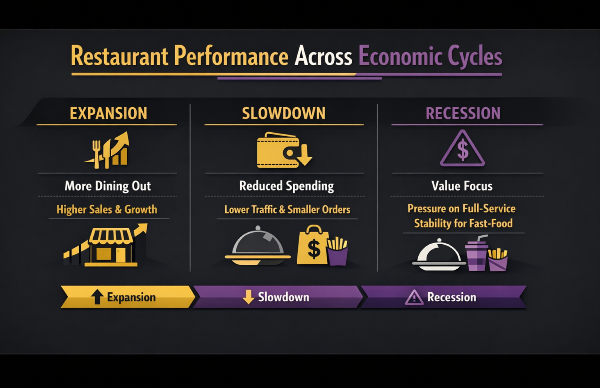
Economic cycles play a major role in how restaurants perform. When the economy is growing, people feel more confident about their money. They tend to eat out more often, try new menu items, and visit both fast‑casual and full‑service restaurants. This rise in customer traffic helps restaurants grow sales and expand locations. Strong economic periods also make it easier for companies to borrow money for upgrades or new stores.
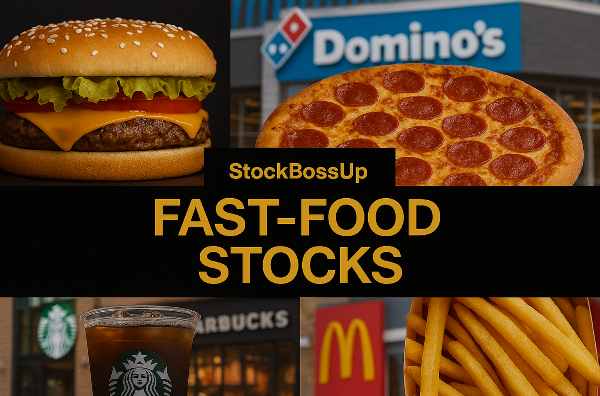
Some brands handle these cycles better than others. Fast‑food chains often perform well during recessions because they offer affordable meals. Premium dining brands may struggle when customers cut back.
This is because during slowdowns, the picture changes. Families look for ways to cut spending, and dining out is often one of the first things they reduce. Restaurants may see fewer customers, smaller orders, and more demand for discounts. Even well‑known brands feel the pressure as they work to keep prices steady while food and labor costs rise. Some chains shift their focus to value meals or limited‑time deals to keep people coming in.
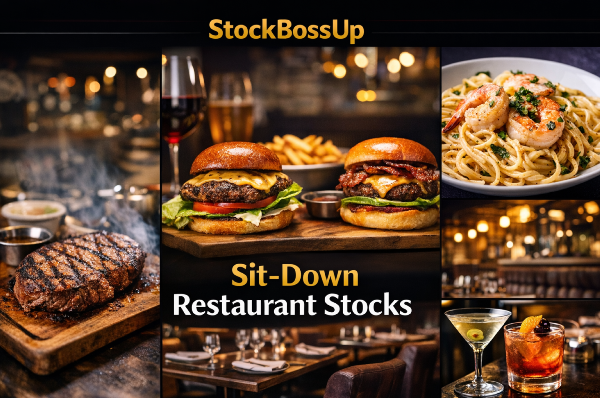
Recessions can hit full‑service restaurants the hardest because they rely on higher‑priced meals and longer visits. Fast‑food and quick‑service chains often hold up better since they offer lower prices and faster service. Investors watch these patterns closely because they show which companies can stay strong when the economy weakens. Understanding these cycles helps investors spot which restaurant stocks may be more resilient over time.
Breaking Down the Restaurant Business Model
Franchise vs. Company‑Owned Structures
A restaurant’s business model shapes its financial performance. Some companies operate most of their own stores. Others rely on franchising. Each approach has strengths and weaknesses.
Franchised brands tend to have more stable revenue because they collect fees rather than paying for labor, food, and rent. Company‑owned brands have more control over quality and customer experience but face higher costs.
Read More: How Restaurant Business Models Drive Stock Performance
Why Failure Rates Matter for Investors
Restaurant failure rates are higher than many people expect and are important for investors to take into account in their analysis. New locations require strong management, good site selection, and consistent execution. When failure rates rise, investors should pay attention. High closures can signal deeper problems with brand relevance or cost structure.
Failure rates reveal the hidden risks behind flashy growth stories. Investors who ignore them may face steep losses, especially in startup-heavy sectors.
Understanding failure rates is key to smart investing. Many startup restaurants and new ventures sound exciting, but most don’t survive. Studies show that 75% of venture-backed companies fail to return capital to investors. That means even professional investors lose money on most deals. If you're investing in early-stage companies or growth stocks, knowing the odds helps you manage risk.
Even in public markets, companies with weak business models or poor cash flow often fail to meet expectations. Investors who track failure trends can spot warning signs early—like shrinking margins, poor customer retention, or missed growth targets.
Some investors use failure data to improve their strategy. They look for patterns in why companies fail—such as poor market fit or weak leadership. This helps them avoid similar mistakes. Others use failure rates to set stop-loss rules or limit how much they invest in risky stocks. By treating failure as a normal part of investing, you can build a smarter, more resilient portfolio.
Startup Failure Rate Benchmarks

Sources
- Kauffman Foundation – Venture Capital Outcomes guideforinvestment.com
- Forbes – Corporate Venture Challenges Forbes
Revenue Drivers and Same‑Store Sales
How Menu Pricing Strategy Affects Sales
Revenue growth is one of the first things investors check. But raw revenue numbers don’t tell the full story. Same‑store sales show how existing restaurants are performing. This metric removes the impact of new openings and reveals true customer demand.
Menu pricing plays a major role in same‑store sales. Restaurants must balance price increases with customer expectations. Raise prices too fast and traffic drops. Raise them too slowly and profits shrink.
One interesting detail: many restaurants use “charm pricing,” such as $9.99 instead of $10.00, because customers perceive it as a better value even though the difference is only one cent.
The Role of Beverage Mix in Profitability
Beverages often carry higher margins than food. A strong beverage mix can boost profits even when traffic stays flat. Brands that sell more soft drinks, coffee, or alcoholic beverages often outperform those that rely heavily on food sales.
Beverages often deliver higher profit margins than food, making them a powerful lever for restaurant earnings—even when customer traffic stays flat. Alcoholic drinks, coffee, and soft drinks can quietly carry a business’s bottom line.
Restaurants that optimize their beverage mix often outperform competitors. A $12 cocktail might cost only $2 to make, while a $25 entrée could cost $8 in ingredients. That margin difference adds up fast. Beverages also require less prep time and fewer kitchen resources, which helps control labor costs. When food prices rise, drinks help offset the squeeze.
A strong beverage program can also drive customer loyalty. Many diners choose restaurants based on drink options, especially when alcohol is available. According to the National Restaurant Association, 70% of consumers say alcohol availability influences their choice National Restaurant Association. Restaurants that offer unique cocktails, craft beers, or specialty coffees often attract repeat business. Even non-alcoholic drinks like mocktails and flavored teas are gaining traction.
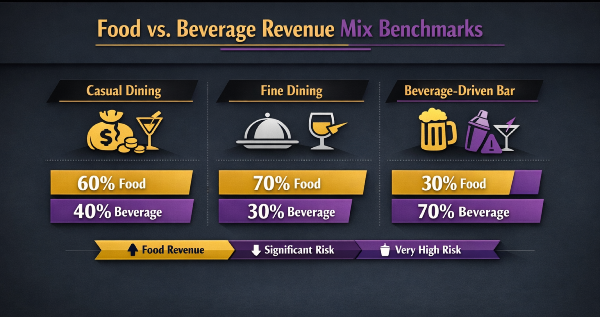
Balancing food and beverage sales is key. A mix that leans too heavily on food can limit profit potential. On the other hand, a beverage-heavy mix may signal weak food offerings. The sweet spot varies by concept, but casual and fine dining restaurants often aim for a 60/40 or 70/30 split. Tracking this mix helps operators adjust menus and pricing to stay profitable.
Food vs. Beverage Revenue Mix Benchmarks
Sources
Cost Structure and Margin Health
Food, Labor, and Inflation Pressures
Restaurants face constant cost pressures. Food inflation, labor shortages, and rising wages can squeeze margins. Investors should look at how well a company manages these costs. Brands with strong supplier relationships and efficient operations tend to perform better.
Read More: How Inflation and Food Cost Impact Restaurant Stocks
Restaurants operate in a high-pressure environment where costs shift constantly. Food inflation, labor shortages, and rising wages can all squeeze margins. Even small changes in ingredient prices or hourly pay can impact profitability. That’s why investors need to look beyond revenue and focus on cost control.
Brands that manage costs well tend to outperform. They often have strong supplier relationships, efficient kitchen operations, and smart scheduling systems. These companies can absorb price hikes without passing too much cost to customers. Investors should watch for signs like stable gross margins and consistent operating income. These metrics show whether a restaurant is handling inflation and wage pressure effectively.
Some chains use technology to reduce labor needs or improve inventory tracking. Others lock in long-term contracts with suppliers to avoid price spikes. These strategies help protect margins during tough economic periods. When food costs rise, companies with flexible menus and strong vendor deals often stay profitable. That’s why cost management is a key part of evaluating restaurant stocks.
Cost Pressure Impact on Restaurant Margins

Supply Chain Strength and Its Impact on Margins
A restaurant’s supply chain affects everything from food quality to cost stability. Brands with diversified suppliers and long‑term contracts often weather disruptions better.
Some restaurants now use AI to predict order patterns by time of day. This helps reduce food waste and improve staffing, which can boost margins over time.
Growth and Expansion Strategy
Unit Expansion and Market Penetration
Growth often comes from opening new locations. But expansion must be strategic. Too many new stores too fast can hurt quality. Too few can slow revenue growth. Investors should look for companies with clear, sustainable expansion plans.
ESG, Brand Reputation, and Long‑Term Stability
ESG Factors That Influence Investor Confidence
Environmental, social, and governance (ESG) factors matter more each year. Customers want brands that treat workers well, source responsibly, and reduce waste. Investors also look at governance practices to judge leadership quality.
Behavioral Economics and Customer Loyalty
Customer behavior plays a major role in restaurant performance. People choose restaurants for convenience, taste, habit, or emotional comfort.
Here’s a unique fact: researchers found that people are more likely to choose a restaurant they’ve visited before when they feel stressed, even if they didn’t love the food. Familiarity creates comfort, which boosts repeat visits.
Financial Strength and Competitive Position
Balance Sheet Health
A restaurant stock may look great on the surface, but the balance sheet tells the real story. Debt levels, cash reserves, and interest expenses all affect long‑term stability. Investors should look for companies with strong free cash flow and manageable debt.
Market Share and Competitive Moats
Restaurants compete for attention, convenience, and loyalty. A company with strong market share has an advantage. But competition is fierce. New brands appear every year, and trends shift quickly.
Some restaurants even design their floor plans to influence customer behavior. One study found that brighter lighting increases order accuracy because employees stay more alert. Small details like this can give a brand a competitive edge.
Putting It All Together
A Simple Evaluation Checklist
| Category |
Key Questions |
| Business Model |
Is it franchised or company‑owned? |
| Revenue |
Are same‑store sales growing? |
| Pricing |
Does the brand have pricing power? |
| Margins |
Are margins stable or improving? |
| Expansion |
Is growth sustainable? |
| Technology |
Is the company investing in digital tools? |
| Supply Chain |
Are suppliers diversified? |
| ESG |
Does the company act responsibly? |
| Financials |
Is the balance sheet strong? |
| Competition |
Does the brand stand out? |
Final Thoughts
Evaluating a restaurant stock takes practice, but the process becomes easier once you know what to look for. Focus on the business model, financial health, customer behavior, and long‑term strategy. Use same‑store sales, margins, and expansion plans to judge performance. And always consider how technology, supply chains, and ESG factors shape the future.
📑 The Restaurant Investor’s Knowledge Vault
Master the Market: Navigate through our specialized research silos to uncover high-growth opportunities in the dining and consumer sectors.
🏛️ Authority Hubs
🛠️ Strategic Analysis & Unit Economics
Deep dives into how restaurant brands scale, survive, and outperform the competition.
⚡ Growth, Innovation & Loyalty
Tracking the next generation of industry leaders and tech-driven profitability.
📉 Macro Trends & Operational Margins
Navigating inflation, supply chains, and the seasonal nature of the hospitality business.
🧠 Consumer Trends & Behavior
Understanding the "Why" behind the "Where" when consumers choose to dine.




How to Evaluate a Restaurant Stock
Restaurants operate in a fast‑moving industry shaped by consumer habits, economic cycles, and operational efficiency. This guide breaks down the key factors investors use to judge whether a restaurant stock is worth owning.
Restaurant stocks sit inside the consumer cyclical sector, which means they rise and fall with the broader economy. When people feel confident, they dine out more. When budgets tighten, spending slows.
Understanding the Restaurant Industry Landscape
Where Restaurant Stocks Fit in the Consumer Cyclical Sector
Restaurants depend heavily on consumer confidence. When wages rise and unemployment stays low, people eat out more often. When the economy slows, dining becomes one of the first expenses families cut. This makes restaurant stocks more sensitive to economic cycles than many investors realize.
Restaurants also compete with grocery stores, meal kits, and convenience foods. Understanding this broader landscape helps investors judge how much room a brand has to grow. Our article on inflation and food‑costs article explains how rising prices affect both customers and operators.
How Economic Cycles Shape Restaurant Performance
Economic cycles play a major role in how restaurants perform. When the economy is growing, people feel more confident about their money. They tend to eat out more often, try new menu items, and visit both fast‑casual and full‑service restaurants. This rise in customer traffic helps restaurants grow sales and expand locations. Strong economic periods also make it easier for companies to borrow money for upgrades or new stores.
Some brands handle these cycles better than others. Fast‑food chains often perform well during recessions because they offer affordable meals. Premium dining brands may struggle when customers cut back.
This is because during slowdowns, the picture changes. Families look for ways to cut spending, and dining out is often one of the first things they reduce. Restaurants may see fewer customers, smaller orders, and more demand for discounts. Even well‑known brands feel the pressure as they work to keep prices steady while food and labor costs rise. Some chains shift their focus to value meals or limited‑time deals to keep people coming in.
Recessions can hit full‑service restaurants the hardest because they rely on higher‑priced meals and longer visits. Fast‑food and quick‑service chains often hold up better since they offer lower prices and faster service. Investors watch these patterns closely because they show which companies can stay strong when the economy weakens. Understanding these cycles helps investors spot which restaurant stocks may be more resilient over time.
Breaking Down the Restaurant Business Model
Franchise vs. Company‑Owned Structures
A restaurant’s business model shapes its financial performance. Some companies operate most of their own stores. Others rely on franchising. Each approach has strengths and weaknesses.
Franchised brands tend to have more stable revenue because they collect fees rather than paying for labor, food, and rent. Company‑owned brands have more control over quality and customer experience but face higher costs.
Read More: How Restaurant Business Models Drive Stock Performance
Why Failure Rates Matter for Investors
Restaurant failure rates are higher than many people expect and are important for investors to take into account in their analysis. New locations require strong management, good site selection, and consistent execution. When failure rates rise, investors should pay attention. High closures can signal deeper problems with brand relevance or cost structure.
Understanding failure rates is key to smart investing. Many startup restaurants and new ventures sound exciting, but most don’t survive. Studies show that 75% of venture-backed companies fail to return capital to investors. That means even professional investors lose money on most deals. If you're investing in early-stage companies or growth stocks, knowing the odds helps you manage risk.
Even in public markets, companies with weak business models or poor cash flow often fail to meet expectations. Investors who track failure trends can spot warning signs early—like shrinking margins, poor customer retention, or missed growth targets.
Some investors use failure data to improve their strategy. They look for patterns in why companies fail—such as poor market fit or weak leadership. This helps them avoid similar mistakes. Others use failure rates to set stop-loss rules or limit how much they invest in risky stocks. By treating failure as a normal part of investing, you can build a smarter, more resilient portfolio.
Startup Failure Rate Benchmarks
Sources
- Kauffman Foundation – Venture Capital Outcomes guideforinvestment.com
- Forbes – Corporate Venture Challenges Forbes
Revenue Drivers and Same‑Store Sales
How Menu Pricing Strategy Affects Sales
Revenue growth is one of the first things investors check. But raw revenue numbers don’t tell the full story. Same‑store sales show how existing restaurants are performing. This metric removes the impact of new openings and reveals true customer demand.
Menu pricing plays a major role in same‑store sales. Restaurants must balance price increases with customer expectations. Raise prices too fast and traffic drops. Raise them too slowly and profits shrink.
One interesting detail: many restaurants use “charm pricing,” such as $9.99 instead of $10.00, because customers perceive it as a better value even though the difference is only one cent.
The Role of Beverage Mix in Profitability
Beverages often carry higher margins than food. A strong beverage mix can boost profits even when traffic stays flat. Brands that sell more soft drinks, coffee, or alcoholic beverages often outperform those that rely heavily on food sales.
Beverages often deliver higher profit margins than food, making them a powerful lever for restaurant earnings—even when customer traffic stays flat. Alcoholic drinks, coffee, and soft drinks can quietly carry a business’s bottom line.
Restaurants that optimize their beverage mix often outperform competitors. A $12 cocktail might cost only $2 to make, while a $25 entrée could cost $8 in ingredients. That margin difference adds up fast. Beverages also require less prep time and fewer kitchen resources, which helps control labor costs. When food prices rise, drinks help offset the squeeze.
A strong beverage program can also drive customer loyalty. Many diners choose restaurants based on drink options, especially when alcohol is available. According to the National Restaurant Association, 70% of consumers say alcohol availability influences their choice National Restaurant Association. Restaurants that offer unique cocktails, craft beers, or specialty coffees often attract repeat business. Even non-alcoholic drinks like mocktails and flavored teas are gaining traction.
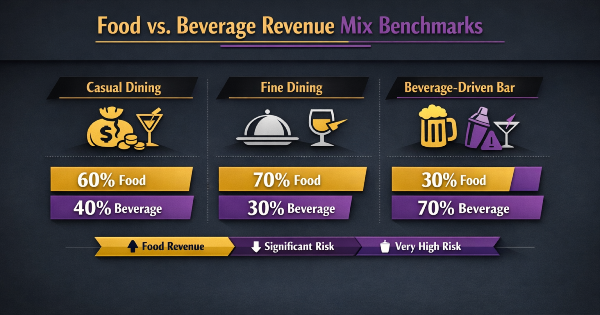
Balancing food and beverage sales is key. A mix that leans too heavily on food can limit profit potential. On the other hand, a beverage-heavy mix may signal weak food offerings. The sweet spot varies by concept, but casual and fine dining restaurants often aim for a 60/40 or 70/30 split. Tracking this mix helps operators adjust menus and pricing to stay profitable.
Food vs. Beverage Revenue Mix Benchmarks
Sources
- National Restaurant Association – 2024 Industry Report National Restaurant Association
- KPI Depot – Food and Beverage Revenue Mix Benchmarks
- Vast Restaurant Insights – Sales Category Breakdown
Cost Structure and Margin Health
Food, Labor, and Inflation Pressures
Restaurants face constant cost pressures. Food inflation, labor shortages, and rising wages can squeeze margins. Investors should look at how well a company manages these costs. Brands with strong supplier relationships and efficient operations tend to perform better.
Restaurants operate in a high-pressure environment where costs shift constantly. Food inflation, labor shortages, and rising wages can all squeeze margins. Even small changes in ingredient prices or hourly pay can impact profitability. That’s why investors need to look beyond revenue and focus on cost control.
Brands that manage costs well tend to outperform. They often have strong supplier relationships, efficient kitchen operations, and smart scheduling systems. These companies can absorb price hikes without passing too much cost to customers. Investors should watch for signs like stable gross margins and consistent operating income. These metrics show whether a restaurant is handling inflation and wage pressure effectively.
Some chains use technology to reduce labor needs or improve inventory tracking. Others lock in long-term contracts with suppliers to avoid price spikes. These strategies help protect margins during tough economic periods. When food costs rise, companies with flexible menus and strong vendor deals often stay profitable. That’s why cost management is a key part of evaluating restaurant stocks.
Cost Pressure Impact on Restaurant Margins
Supply Chain Strength and Its Impact on Margins
A restaurant’s supply chain affects everything from food quality to cost stability. Brands with diversified suppliers and long‑term contracts often weather disruptions better.
Some restaurants now use AI to predict order patterns by time of day. This helps reduce food waste and improve staffing, which can boost margins over time.
Growth and Expansion Strategy
Unit Expansion and Market Penetration
Growth often comes from opening new locations. But expansion must be strategic. Too many new stores too fast can hurt quality. Too few can slow revenue growth. Investors should look for companies with clear, sustainable expansion plans.
ESG, Brand Reputation, and Long‑Term Stability
ESG Factors That Influence Investor Confidence
Environmental, social, and governance (ESG) factors matter more each year. Customers want brands that treat workers well, source responsibly, and reduce waste. Investors also look at governance practices to judge leadership quality.
Behavioral Economics and Customer Loyalty
Customer behavior plays a major role in restaurant performance. People choose restaurants for convenience, taste, habit, or emotional comfort.
Here’s a unique fact: researchers found that people are more likely to choose a restaurant they’ve visited before when they feel stressed, even if they didn’t love the food. Familiarity creates comfort, which boosts repeat visits.
Financial Strength and Competitive Position
Balance Sheet Health
A restaurant stock may look great on the surface, but the balance sheet tells the real story. Debt levels, cash reserves, and interest expenses all affect long‑term stability. Investors should look for companies with strong free cash flow and manageable debt.
Market Share and Competitive Moats
Restaurants compete for attention, convenience, and loyalty. A company with strong market share has an advantage. But competition is fierce. New brands appear every year, and trends shift quickly.
Some restaurants even design their floor plans to influence customer behavior. One study found that brighter lighting increases order accuracy because employees stay more alert. Small details like this can give a brand a competitive edge.
Putting It All Together
A Simple Evaluation Checklist
Final Thoughts
Evaluating a restaurant stock takes practice, but the process becomes easier once you know what to look for. Focus on the business model, financial health, customer behavior, and long‑term strategy. Use same‑store sales, margins, and expansion plans to judge performance. And always consider how technology, supply chains, and ESG factors shape the future.
📑 The Restaurant Investor’s Knowledge Vault
🏛️ Authority Hubs
🛠️ Strategic Analysis & Unit Economics
Deep dives into how restaurant brands scale, survive, and outperform the competition.
⚡ Growth, Innovation & Loyalty
Tracking the next generation of industry leaders and tech-driven profitability.
📉 Macro Trends & Operational Margins
Navigating inflation, supply chains, and the seasonal nature of the hospitality business.
🧠 Consumer Trends & Behavior
Understanding the "Why" behind the "Where" when consumers choose to dine.