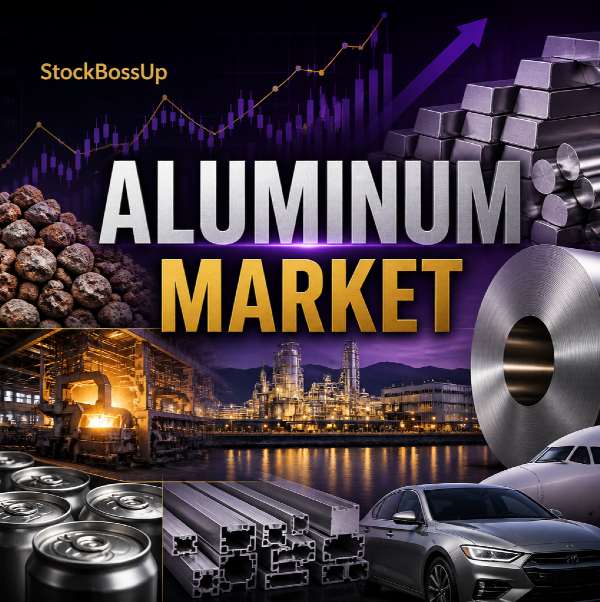
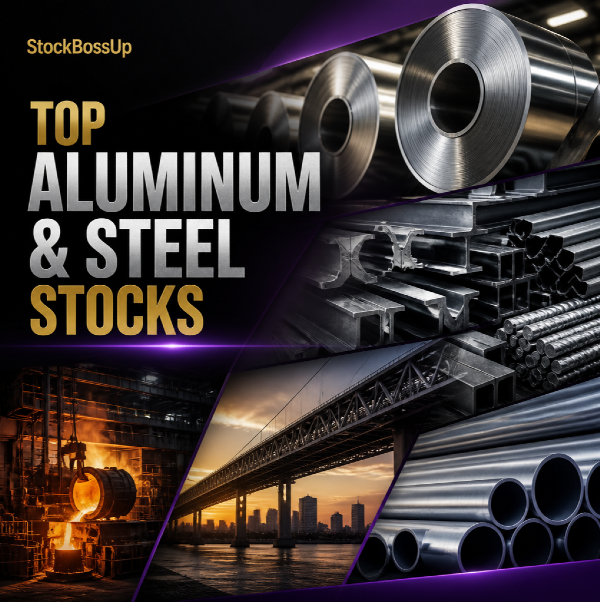
Aluminum prices move entire industries, and the companies most tied to this metal often see the biggest gains when prices climb. This article explains which stocks tend to benefit, why they move, and how rising aluminum prices ripple through mining, smelting, recycling, transportation, and manufacturing. Each section stands alone and uses clear, simple language so readers can understand how aluminum markets shape stock performance.
Here’s a clear, entity‑rich breakdown of U.S.‑traded stocks that tend to benefit when aluminum prices rise, including a few surprising names outside the aluminum industry.
(This is for informational purposes only — not investment advice. Always consult a qualified financial professional before making investment decisions.)
Core Aluminum Producers
These companies directly profit from higher aluminum prices because they mine, refine, or smelt the metal.
| Company |
Ticker |
Segment |
Why It Benefits |
| Alcoa Corp. |
AA |
Primary producer |
Higher selling prices for aluminum and alumina |
| Century Aluminum Co. |
CENX |
Smelting |
Expands margins when aluminum prices rise |
| Kaiser Aluminum Corp. |
KALU |
Fabrication |
Gains from higher contract prices and demand |
| Constellium SE |
CSTM |
Aerospace & auto alloys |
Stronger demand for lightweight aluminum parts |
| Reliance Steel & Aluminum Co. |
RS |
Distribution |
Pass‑through pricing power and inventory gains |
These firms are the most direct beneficiaries of rising aluminum prices. Their earnings often move in tandem with spot and futures prices on the London Metal Exchange.
Mining and Materials Diversifiers
These companies mine multiple metals, including bauxite or alumina, and benefit indirectly when aluminum prices rise.
| Company |
Ticker |
Segment |
Why It Benefits |
| Rio Tinto plc (ADR) |
RIO |
Diversified mining |
Owns major aluminum operations in Canada and Australia |
| BHP Group Ltd. (ADR) |
BHP |
Diversified mining |
Gains from alumina and aluminum exposure |
| South32 Ltd. (ADR) |
SOUHY |
Mining |
Operates alumina refineries and aluminum smelters |
| Vale S.A. (ADR) |
VALE |
Mining |
Indirect exposure through alumina and logistics |
These miners often see aluminum‑related revenue rise alongside other commodities, making them attractive during broad metal upcycles.
Energy and Power Companies
Smelters use enormous amounts of electricity, so utilities and energy producers sometimes benefit when aluminum demand surges.
| Company |
Ticker |
Segment |
Why It Benefits |
| NextEra Energy Inc. |
NEE |
Renewable power |
Supplies clean energy to aluminum smelters |
| Brookfield Renewable Partners LP |
BEP |
Hydropower |
Hydroelectric plants power many aluminum facilities |
| Southern Company |
SO |
Utility |
Gains from industrial electricity demand in the Southeast |
These firms profit indirectly as aluminum producers expand operations and require more power. Hydropower‑linked utilities often see long‑term contracts with smelters.
Transportation and Aerospace Stocks
Aluminum demand rises sharply in aerospace and automotive manufacturing. These companies benefit from higher orders and stronger supply chains.
| Company |
Ticker |
Segment |
Why It Benefits |
| Boeing Co. |
BA |
Aerospace |
Increased demand for aluminum aircraft components |
| General Motors Co. |
GM |
Automotive |
Lightweight aluminum parts improve fuel efficiency |
| Tesla Inc. |
TSLA |
Electric vehicles |
Uses aluminum extensively in body and battery housing |
| Spirit AeroSystems Holdings Inc. |
SPR |
Aerospace |
Higher aluminum demand for fuselage and wing structures |
These are not aluminum producers, but they gain from the same forces driving aluminum prices upward — industrial growth and lightweight material adoption.
Aircraft manufacturers often pre‑purchase aluminum years in advance, locking in prices and creating ripple effects across futures markets — a hidden driver of short‑term price spikes.
Packaging and Consumer Goods Stocks
Aluminum is essential for cans, foil, and packaging. When prices rise due to strong demand, these companies often see higher volumes and pricing power.
| Company |
Ticker |
Segment |
Why It Benefits |
| Ball Corp. |
BALL |
Beverage packaging |
Strong demand for aluminum cans |
| Crown Holdings Inc. |
CCK |
Packaging |
Gains from global can production growth |
| Ardagh Metal Packaging S.A. |
AMBP |
Packaging |
Expands margins during high aluminum demand |
These firms can pass higher aluminum costs to customers, maintaining profitability even when raw material prices rise.
Surprising Beneficiaries
Some companies benefit from rising aluminum prices even though they aren’t aluminum producers.
| Company |
Ticker |
Segment |
Why It Benefits |
| Waste Management Inc. |
WM |
Recycling |
Higher scrap aluminum prices boost recycling revenue |
| United Parcel Service Inc. |
UPS |
Logistics |
Increased shipments of aluminum products and parts |
| Caterpillar Inc. |
CAT |
Heavy equipment |
Gains from mining expansion and equipment sales |
| Nucor Corp. |
NUE |
Steel |
Indirect benefit as aluminum demand lifts overall metals sentiment |
| Home Depot Inc. |
HD |
Retail |
Higher sales of aluminum‑based building materials |
These companies profit indirectly through recycling, logistics, or industrial activity. For example, Waste Management’s recycling division earns more when scrap aluminum prices rise — a surprising but consistent trend.
Aluminum is the most recycled industrial metal in the world, with nearly 75% of all aluminum ever produced still in use today. This makes recycling companies unusually sensitive to price changes.
How Investors Track These Stocks
Investors often monitor aluminum futures on the London Metal Exchange and U.S. Midwest Premiums. Rising futures prices usually precede stronger quarterly results for producers and recyclers.
They also watch industrial production data, auto sales, and construction spending — all of which correlate with aluminum demand.
For a deeper dive, investors can explore aluminum futures trends, industrial demand indicators, or commodity‑linked stock performance.
Why Rising Aluminum Prices Matter for Investors
Rising aluminum prices usually help companies that mine, refine, or process aluminum because their margins expand as the metal becomes more valuable. These companies often see stronger revenue, better cash flow, and more investor attention during price upcycles. When aluminum prices rise for long periods, these firms can lock in higher selling prices through contracts, which stabilizes earnings.
Higher aluminum prices also signal strong demand from sectors like construction, autos, aerospace, and packaging. When these industries grow, aluminum producers often benefit first because they sit at the start of the supply chain. Investors watching commodity cycles often track aluminum demand as a leading indicator for industrial activity.
Rising prices also change how companies plan long‑term projects. Miners may restart idle facilities, expand production, or invest in new technology. Smelters may upgrade equipment to reduce energy use. These actions can increase output and improve efficiency, which can support stock performance even after prices cool.
How Aluminum Prices Affect Mining Companies
Mining companies usually benefit the most from rising aluminum prices because they extract bauxite, the ore used to make alumina and then aluminum. When aluminum prices rise, the value of bauxite and alumina often rises too. This gives miners stronger pricing power and better margins. Investors often track bauxite supply to understand how tight the market is.
Miners also tend to have long project timelines. When prices rise, they may accelerate exploration or reopen older mines. These decisions can increase future production and support long‑term revenue. Some miners also diversify into other metals, which can help stabilize earnings during aluminum downturns.
A unique fact about the mining side of aluminum is that bauxite is often found near the surface, which makes extraction cheaper than many other metals. This low cost structure means miners can stay profitable even when prices fall, but they gain even more leverage when prices rise.
How Smelters Gain From Higher Aluminum Prices
Smelting companies convert alumina into aluminum using large amounts of electricity. When aluminum prices rise, smelters with low energy costs often see the biggest gains. Their cost base stays stable while selling prices increase. This creates wider margins and stronger earnings. Investors often track smelter capacity to understand which companies can scale output quickly.
Smelters also benefit from long‑term supply contracts with automakers, aerospace firms, and packaging companies. When prices rise, new contracts often reflect higher market rates. This can lock in better revenue for years. Smelters with hydropower or renewable energy sources tend to outperform because their energy costs are more predictable.
Another unique fact is that aluminum is one of the most energy‑intensive metals to produce, which means smelters in regions with cheap electricity often have a major competitive advantage. This advantage becomes even more valuable when aluminum prices rise.
How Aluminum Recycling Companies Benefit
Recycling companies gain from rising aluminum prices because recycled aluminum—called secondary aluminum—sells at a premium during strong markets. These companies collect scrap, melt it down, and sell it to manufacturers. Since recycled aluminum uses far less energy than primary aluminum, recyclers often have higher margins when prices rise. Investors often follow scrap metal trends to understand how recycling companies may perform.
Recycling also grows when manufacturers look for ways to cut costs. During periods of high aluminum prices, companies may shift more production to recycled material. This increases demand for recyclers and supports their revenue. Some recyclers also operate collection networks, which gives them steady access to scrap even when supply is tight.
Recycling companies also benefit from sustainability goals. Many industries want to reduce emissions, and recycled aluminum has a much smaller carbon footprint. This long‑term trend supports demand even when prices fluctuate.
How Transportation and Packaging Companies React
Transportation and packaging companies do not always benefit directly from rising aluminum prices, but some do when they operate integrated supply chains. Companies that produce aluminum cans, foil, or packaging materials may pass higher costs to customers. If they have strong pricing power, they can maintain margins even when aluminum becomes more expensive. Investors often track packaging demand to understand how these companies may respond.
Some transportation companies also benefit indirectly. When aluminum prices rise due to strong demand from aerospace or automotive sectors, companies that supply parts or components may see higher orders. This can support revenue even if aluminum itself is a cost input.
Companies that use aluminum heavily may face short‑term pressure, but long‑term contracts and hedging strategies often protect them. This makes their performance more stable than many investors expect.
How Rising Aluminum Prices Influence Global Producers
Global aluminum producers often benefit the most from rising prices because they operate across mining, refining, smelting, and recycling. These integrated companies can capture value at every stage of the supply chain. When prices rise, they gain from higher selling prices, stronger contract terms, and increased demand from industrial customers. Investors often track global aluminum supply to understand how these companies may perform.
Integrated producers also have more flexibility. They can shift production between primary and secondary aluminum depending on market conditions. They can also adjust output to manage costs. This flexibility helps them maintain strong margins during price cycles.
Some global producers also benefit from government partnerships or long‑term energy agreements. These arrangements can reduce costs and support stable production. When aluminum prices rise, these advantages become even more valuable.
Key Industries That Drive Aluminum Demand
Industries like construction, aerospace, autos, and packaging drive most aluminum demand. When these sectors grow, aluminum prices often rise. Construction uses aluminum for windows, frames, wiring, and structural components. Aerospace uses aluminum for aircraft bodies and parts. Autos use aluminum to reduce weight and improve fuel efficiency. Packaging uses aluminum for cans, foil, and containers. Investors often track industrial demand to understand price trends.
These industries also influence long‑term pricing. For example, electric vehicles use more aluminum than traditional cars because aluminum helps offset battery weight. This trend supports long‑term demand even when other sectors slow down. Packaging demand also grows with population and consumer goods consumption.
When these industries expand at the same time, aluminum prices often rise quickly. This creates strong conditions for producers, recyclers, and integrated companies.
Market Data Snapshot: Aluminum‑Linked Companies
Below is a simple table showing categories of companies that often benefit when aluminum prices rise. This table is not investment advice but a general overview of how different segments respond to price changes.
| Category |
Example Role |
Benefit Level |
Why It Benefits |
| Mining companies |
Extract bauxite |
High |
Higher ore and alumina prices |
| Smelting companies |
Produce aluminum |
High |
Stronger margins with stable energy costs |
| Recycling companies |
Process scrap |
Medium‑High |
Premium pricing for recycled aluminum |
| Packaging companies |
Make cans/foil |
Medium |
Pass‑through pricing power |
| Aerospace suppliers |
Build components |
Medium |
Higher demand for aluminum parts |
How Investors Track Aluminum Price Trends
Investors often track aluminum prices through futures markets, supply reports, and demand forecasts. Futures contracts show expectations for future prices. Supply reports reveal how much aluminum is available in warehouses. Demand forecasts show how industries plan to use aluminum. These tools help investors understand how companies may perform. Many investors follow commodity cycles to time their research.
Investors also watch energy markets because electricity is a major cost for smelters. When energy prices fall, smelters often gain even if aluminum prices stay flat. When both aluminum and energy prices rise, smelters with cheap power gain the most. This creates different winners depending on the region.
Some investors also track currency trends. Aluminum is priced in U.S. dollars, so producers in countries with weaker currencies may gain an advantage. Their costs stay low while selling prices rise.
How Supply Constraints Boost Aluminum‑Linked Stocks
Supply constraints often push aluminum prices higher. These constraints can come from mine closures, energy shortages, transportation issues, or geopolitical events. When supply tightens, producers often see stronger pricing power. Investors often track supply disruptions to understand how markets may shift.
Supply constraints also affect inventories. When inventories fall, prices often rise quickly. Producers with available capacity can benefit by increasing output. Recyclers may also gain because scrap becomes more valuable when primary supply is tight.
Some supply constraints last for years. For example, energy shortages in certain regions have reduced smelting capacity. These long‑term constraints support higher prices and stronger margins for efficient producers.
How Demand Surges Create Opportunities
Demand surges often push aluminum prices higher. These surges can come from construction booms, auto production increases, or aerospace expansion. When demand rises faster than supply, prices often climb. Investors often follow demand cycles to understand how companies may respond.
Demand surges also influence contract terms. Producers may negotiate higher prices or longer contracts during strong markets. This can support revenue even after demand cools. Recyclers may also benefit because manufacturers look for cheaper alternatives to primary aluminum.
Some demand surges come from unexpected sources. For example, beverage companies have increased aluminum can production due to shifts in consumer preferences. These trends can create new opportunities for producers and recyclers.
Summary Table: How Different Segments Respond to Rising Prices
| Segment |
Typical Response |
Key Advantage |
Key Risk |
| Miners |
Strong gains |
Low extraction costs |
Commodity volatility |
| Smelters |
Margin expansion |
Cheap energy |
High power costs |
| Recyclers |
Higher scrap demand |
Low energy use |
Scrap supply limits |
| Packagers |
Stable margins |
Pricing power |
Contract delays |
| Aerospace suppliers |
Higher orders |
Long‑term contracts |
Cyclical demand |
Final Thoughts: Understanding the Aluminum Cycle
Rising aluminum prices create opportunities across mining, smelting, recycling, packaging, and manufacturing. Companies that control costs, secure long‑term contracts, or operate across multiple stages of the supply chain often benefit the most. Investors who track supply, demand, energy costs, and industrial trends can better understand how aluminum‑linked companies may perform. For deeper analysis, you can explore aluminum market cycles or commodity pricing trends.
🔎 Read More: Deep‑Dive Into the Materials & Rare Earth Investing Universe
A strong materials portfolio starts with strong research. Explore authoritative guides, sector breakdowns, sustainability insights, and rare earth market intelligence.
Materials Sector Foundations
Metals & Industrial Materials
Aluminum Investing Hub
Rare Earths & Critical Minerals
Commodities vs. Materials — Core Concepts


















Aluminum prices move entire industries, and the companies most tied to this metal often see the biggest gains when prices climb. This article explains which stocks tend to benefit, why they move, and how rising aluminum prices ripple through mining, smelting, recycling, transportation, and manufacturing. Each section stands alone and uses clear, simple language so readers can understand how aluminum markets shape stock performance.
Here’s a clear, entity‑rich breakdown of U.S.‑traded stocks that tend to benefit when aluminum prices rise, including a few surprising names outside the aluminum industry.
(This is for informational purposes only — not investment advice. Always consult a qualified financial professional before making investment decisions.)
Core Aluminum Producers
These companies directly profit from higher aluminum prices because they mine, refine, or smelt the metal.
These firms are the most direct beneficiaries of rising aluminum prices. Their earnings often move in tandem with spot and futures prices on the London Metal Exchange.
Mining and Materials Diversifiers
These companies mine multiple metals, including bauxite or alumina, and benefit indirectly when aluminum prices rise.
These miners often see aluminum‑related revenue rise alongside other commodities, making them attractive during broad metal upcycles.
Energy and Power Companies
Smelters use enormous amounts of electricity, so utilities and energy producers sometimes benefit when aluminum demand surges.
These firms profit indirectly as aluminum producers expand operations and require more power. Hydropower‑linked utilities often see long‑term contracts with smelters.
Transportation and Aerospace Stocks
Aluminum demand rises sharply in aerospace and automotive manufacturing. These companies benefit from higher orders and stronger supply chains.
These are not aluminum producers, but they gain from the same forces driving aluminum prices upward — industrial growth and lightweight material adoption.
Packaging and Consumer Goods Stocks
Aluminum is essential for cans, foil, and packaging. When prices rise due to strong demand, these companies often see higher volumes and pricing power.
These firms can pass higher aluminum costs to customers, maintaining profitability even when raw material prices rise.
Surprising Beneficiaries
Some companies benefit from rising aluminum prices even though they aren’t aluminum producers.
These companies profit indirectly through recycling, logistics, or industrial activity. For example, Waste Management’s recycling division earns more when scrap aluminum prices rise — a surprising but consistent trend.
How Investors Track These Stocks
Investors often monitor aluminum futures on the London Metal Exchange and U.S. Midwest Premiums. Rising futures prices usually precede stronger quarterly results for producers and recyclers.
They also watch industrial production data, auto sales, and construction spending — all of which correlate with aluminum demand.
For a deeper dive, investors can explore aluminum futures trends, industrial demand indicators, or commodity‑linked stock performance.
Why Rising Aluminum Prices Matter for Investors
Rising aluminum prices usually help companies that mine, refine, or process aluminum because their margins expand as the metal becomes more valuable. These companies often see stronger revenue, better cash flow, and more investor attention during price upcycles. When aluminum prices rise for long periods, these firms can lock in higher selling prices through contracts, which stabilizes earnings.
Higher aluminum prices also signal strong demand from sectors like construction, autos, aerospace, and packaging. When these industries grow, aluminum producers often benefit first because they sit at the start of the supply chain. Investors watching commodity cycles often track aluminum demand as a leading indicator for industrial activity.
Rising prices also change how companies plan long‑term projects. Miners may restart idle facilities, expand production, or invest in new technology. Smelters may upgrade equipment to reduce energy use. These actions can increase output and improve efficiency, which can support stock performance even after prices cool.
How Aluminum Prices Affect Mining Companies
Mining companies usually benefit the most from rising aluminum prices because they extract bauxite, the ore used to make alumina and then aluminum. When aluminum prices rise, the value of bauxite and alumina often rises too. This gives miners stronger pricing power and better margins. Investors often track bauxite supply to understand how tight the market is.
Miners also tend to have long project timelines. When prices rise, they may accelerate exploration or reopen older mines. These decisions can increase future production and support long‑term revenue. Some miners also diversify into other metals, which can help stabilize earnings during aluminum downturns.
A unique fact about the mining side of aluminum is that bauxite is often found near the surface, which makes extraction cheaper than many other metals. This low cost structure means miners can stay profitable even when prices fall, but they gain even more leverage when prices rise.
How Smelters Gain From Higher Aluminum Prices
Smelting companies convert alumina into aluminum using large amounts of electricity. When aluminum prices rise, smelters with low energy costs often see the biggest gains. Their cost base stays stable while selling prices increase. This creates wider margins and stronger earnings. Investors often track smelter capacity to understand which companies can scale output quickly.
Smelters also benefit from long‑term supply contracts with automakers, aerospace firms, and packaging companies. When prices rise, new contracts often reflect higher market rates. This can lock in better revenue for years. Smelters with hydropower or renewable energy sources tend to outperform because their energy costs are more predictable.
Another unique fact is that aluminum is one of the most energy‑intensive metals to produce, which means smelters in regions with cheap electricity often have a major competitive advantage. This advantage becomes even more valuable when aluminum prices rise.
How Aluminum Recycling Companies Benefit
Recycling companies gain from rising aluminum prices because recycled aluminum—called secondary aluminum—sells at a premium during strong markets. These companies collect scrap, melt it down, and sell it to manufacturers. Since recycled aluminum uses far less energy than primary aluminum, recyclers often have higher margins when prices rise. Investors often follow scrap metal trends to understand how recycling companies may perform.
Recycling also grows when manufacturers look for ways to cut costs. During periods of high aluminum prices, companies may shift more production to recycled material. This increases demand for recyclers and supports their revenue. Some recyclers also operate collection networks, which gives them steady access to scrap even when supply is tight.
Recycling companies also benefit from sustainability goals. Many industries want to reduce emissions, and recycled aluminum has a much smaller carbon footprint. This long‑term trend supports demand even when prices fluctuate.
How Transportation and Packaging Companies React
Transportation and packaging companies do not always benefit directly from rising aluminum prices, but some do when they operate integrated supply chains. Companies that produce aluminum cans, foil, or packaging materials may pass higher costs to customers. If they have strong pricing power, they can maintain margins even when aluminum becomes more expensive. Investors often track packaging demand to understand how these companies may respond.
Some transportation companies also benefit indirectly. When aluminum prices rise due to strong demand from aerospace or automotive sectors, companies that supply parts or components may see higher orders. This can support revenue even if aluminum itself is a cost input.
Companies that use aluminum heavily may face short‑term pressure, but long‑term contracts and hedging strategies often protect them. This makes their performance more stable than many investors expect.
How Rising Aluminum Prices Influence Global Producers
Global aluminum producers often benefit the most from rising prices because they operate across mining, refining, smelting, and recycling. These integrated companies can capture value at every stage of the supply chain. When prices rise, they gain from higher selling prices, stronger contract terms, and increased demand from industrial customers. Investors often track global aluminum supply to understand how these companies may perform.
Integrated producers also have more flexibility. They can shift production between primary and secondary aluminum depending on market conditions. They can also adjust output to manage costs. This flexibility helps them maintain strong margins during price cycles.
Some global producers also benefit from government partnerships or long‑term energy agreements. These arrangements can reduce costs and support stable production. When aluminum prices rise, these advantages become even more valuable.
Key Industries That Drive Aluminum Demand
Industries like construction, aerospace, autos, and packaging drive most aluminum demand. When these sectors grow, aluminum prices often rise. Construction uses aluminum for windows, frames, wiring, and structural components. Aerospace uses aluminum for aircraft bodies and parts. Autos use aluminum to reduce weight and improve fuel efficiency. Packaging uses aluminum for cans, foil, and containers. Investors often track industrial demand to understand price trends.
These industries also influence long‑term pricing. For example, electric vehicles use more aluminum than traditional cars because aluminum helps offset battery weight. This trend supports long‑term demand even when other sectors slow down. Packaging demand also grows with population and consumer goods consumption.
When these industries expand at the same time, aluminum prices often rise quickly. This creates strong conditions for producers, recyclers, and integrated companies.
Market Data Snapshot: Aluminum‑Linked Companies
Below is a simple table showing categories of companies that often benefit when aluminum prices rise. This table is not investment advice but a general overview of how different segments respond to price changes.
How Investors Track Aluminum Price Trends
Investors often track aluminum prices through futures markets, supply reports, and demand forecasts. Futures contracts show expectations for future prices. Supply reports reveal how much aluminum is available in warehouses. Demand forecasts show how industries plan to use aluminum. These tools help investors understand how companies may perform. Many investors follow commodity cycles to time their research.
Investors also watch energy markets because electricity is a major cost for smelters. When energy prices fall, smelters often gain even if aluminum prices stay flat. When both aluminum and energy prices rise, smelters with cheap power gain the most. This creates different winners depending on the region.
Some investors also track currency trends. Aluminum is priced in U.S. dollars, so producers in countries with weaker currencies may gain an advantage. Their costs stay low while selling prices rise.
How Supply Constraints Boost Aluminum‑Linked Stocks
Supply constraints often push aluminum prices higher. These constraints can come from mine closures, energy shortages, transportation issues, or geopolitical events. When supply tightens, producers often see stronger pricing power. Investors often track supply disruptions to understand how markets may shift.
Supply constraints also affect inventories. When inventories fall, prices often rise quickly. Producers with available capacity can benefit by increasing output. Recyclers may also gain because scrap becomes more valuable when primary supply is tight.
Some supply constraints last for years. For example, energy shortages in certain regions have reduced smelting capacity. These long‑term constraints support higher prices and stronger margins for efficient producers.
How Demand Surges Create Opportunities
Demand surges often push aluminum prices higher. These surges can come from construction booms, auto production increases, or aerospace expansion. When demand rises faster than supply, prices often climb. Investors often follow demand cycles to understand how companies may respond.
Demand surges also influence contract terms. Producers may negotiate higher prices or longer contracts during strong markets. This can support revenue even after demand cools. Recyclers may also benefit because manufacturers look for cheaper alternatives to primary aluminum.
Some demand surges come from unexpected sources. For example, beverage companies have increased aluminum can production due to shifts in consumer preferences. These trends can create new opportunities for producers and recyclers.
Summary Table: How Different Segments Respond to Rising Prices
Final Thoughts: Understanding the Aluminum Cycle
Rising aluminum prices create opportunities across mining, smelting, recycling, packaging, and manufacturing. Companies that control costs, secure long‑term contracts, or operate across multiple stages of the supply chain often benefit the most. Investors who track supply, demand, energy costs, and industrial trends can better understand how aluminum‑linked companies may perform. For deeper analysis, you can explore aluminum market cycles or commodity pricing trends.
🔎 Read More: Deep‑Dive Into the Materials & Rare Earth Investing Universe
A strong materials portfolio starts with strong research. Explore authoritative guides, sector breakdowns, sustainability insights, and rare earth market intelligence.
Materials Sector Foundations
Metals & Industrial Materials
Aluminum Investing Hub
Rare Earths & Critical Minerals
Commodities vs. Materials — Core Concepts