🧭 Key Takeaways: Invesco DB Base Metals Fund Sentiment
📈 Strong Investor Confidence Driven by Metals Demand
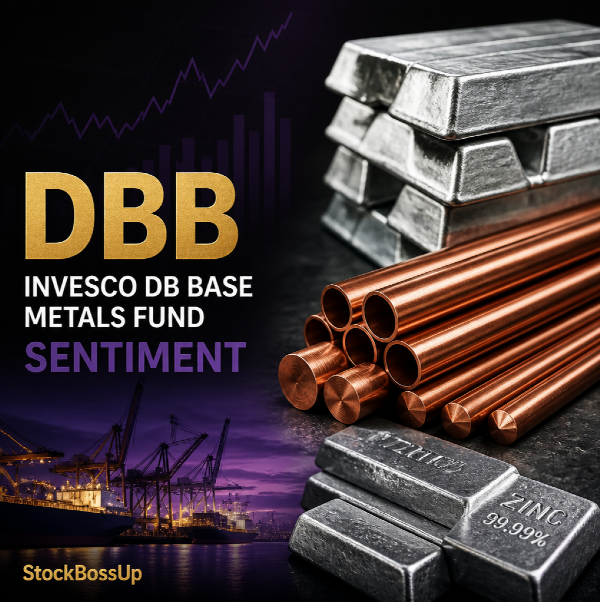
Investor sentiment toward the Invesco DB Base Metals Fund (DBB) remains positive thanks to its exposure to aluminum, zinc, and copper—three metals essential to global manufacturing and electrification. The fund’s one‑year return of nearly 40% reflects strong momentum in industrial metals, reinforcing confidence among investors who track commodity‑based ETFs.
⚙️ Performance and Structure Support Stability
DBB’s balanced structure, combining futures contracts with short‑term government securities, helps stabilize returns and reduce volatility. Its low beta of 0.56 and consistent five‑year performance make it appealing to investors seeking moderate risk exposure. Liquidity on the NYSE Arca and a long track record since 2007 further strengthen sentiment.
🌍 Global Trends Fuel Long‑Term Optimism
Global infrastructure spending, renewable energy expansion, and electric vehicle growth continue to drive demand for base metals. These trends support DBB’s long‑term outlook, positioning it as a strategic investment for those betting on industrial growth. Copper’s infinite recyclability and aluminum’s abundance add depth to the fund’s sustainability narrative.
💡 Moderate Risks Temper Enthusiasm
While sentiment is broadly positive, investors remain cautious about risks tied to futures markets, contango, and short‑term volatility. DBB’s returns can fluctuate with global supply disruptions or energy costs, but its optimized yield strategy and diversified holdings help mitigate these challenges. Overall, sentiment leans optimistic with prudent awareness of market dynamics.
Why Investor Sentiment Toward DBB Leans Positive Today
Investor sentiment toward the Invesco DB Base Metals Fund (DBB) is broadly positive because the fund has delivered strong one‑year returns and continues to benefit from rising demand for industrial metals. Over the past year, DBB gained 37.97%, which places it well above many commodity peers. This performance has helped shape a constructive outlook among investors who track metals‑focused ETFs.
DBB’s sentiment is also supported by its exposure to aluminum, zinc, and copper futures—three metals tied to global manufacturing, construction, and electrification trends. As industrial activity expands, these metals often see higher demand, which can lift futures prices and improve ETF performance. Because DBB tracks the DBIQ Optimum Yield Industrial Metals Index, its returns reflect these broader market forces. The fund’s structure makes it a direct play on global economic momentum, and that connection tends to attract investors during periods of growth.
Even with positive sentiment, DBB’s performance has lagged its broader commodities category in some timeframes. For example, its YTD return of 10.85% trails the category’s 29.92% return. This gap shows that while sentiment is favorable, investors still weigh DBB’s relative performance against other commodity ETFs. Still, the fund’s long‑term track record and recent strength keep sentiment tilted upward.
How DBB’s Performance Shapes Market Perception
DBB’s performance history plays a major role in shaping investor sentiment. Over the past five years, the fund returned 20.94%, and over the past ten years, it returned 8.48%. These numbers show that DBB has been a steady performer in a volatile asset class. Investors often view consistency as a sign of reliability, especially in commodities, where price swings can be extreme.
The fund’s one‑year return of 39.30% further strengthens sentiment, signaling strong momentum in the metals market. This performance aligns with rising prices in copper and aluminum, which have been supported by global infrastructure spending and electrification trends. When metals rally, DBB tends to follow, and investors often respond by increasing their exposure.
Another factor shaping sentiment is DBB’s relatively low beta of 0.56. A low beta suggests that DBB is less volatile than the broader market. For investors seeking commodity exposure without extreme swings, this can be appealing. Lower volatility can also improve sentiment during uncertain economic periods, as investors look for stability within risk‑oriented sectors.
Why DBB’s Holdings Influence Investor Confidence
DBB’s holdings are concentrated in futures contracts tied to aluminum, zinc, and copper. These metals are essential to global industry, and their prices often reflect economic health. When manufacturing expands, demand for these metals rises, which can lift DBB’s value. This connection between industrial activity and fund performance helps shape positive sentiment among investors who track macroeconomic trends.
The fund’s largest holding is the Invesco Government & Agency Portfolio (AGPXX), which accounts for 46.53% of total assets. This allocation provides liquidity and stability, helping balance the volatility of futures contracts. Investors often appreciate this structure because it reduces risk while maintaining exposure to metals.
DBB also holds futures contracts with varying maturities, which helps optimize yield and reduce the impact of contango. This strategy can improve long‑term performance and support positive sentiment. Investors who understand futures markets often view this approach as a sign of strong fund design.
Key DBB Metrics (Recent Data)
| DBB Metrics |
Value |
| Net Assets |
$358.85M |
| YTD Return |
10.85% |
| 1‑Year Return |
39.30% |
| Expense Ratio |
0.75% |
| Beta (5Y) |
0.56 |
| Yield |
2.42% |
Why Market Trends Are Boosting Sentiment for DBB
Market trends in industrial metals have been favorable, and this has boosted sentiment for DBB. Copper prices have risen due to increased demand from electric vehicles, renewable energy, and grid modernization. Aluminum demand has grown as automakers shift toward lighter materials. Zinc demand has been supported by construction and galvanization needs. These trends create a supportive environment for DBB’s underlying futures.
Investors also consider geopolitical factors. For example, tariffs on steel and metals can shift supply chains and influence prices. Recent reports show that tariffs have impacted metal markets, contributing to price volatility and opportunities for futures‑based funds like DBB. When metals tighten due to supply constraints, futures prices often rise, which can lift DBB’s performance.
Another trend influencing sentiment is the global push for infrastructure spending. Many countries are investing in transportation, energy, and manufacturing upgrades. These projects require large amounts of base metals, which can support long‑term demand. Investors who track these trends often view DBB as a strategic way to gain exposure to global growth.
How DBB Compares to Other Commodity ETFs
DBB’s sentiment is shaped not only by its own performance but also by how it compares to other commodity ETFs. While DBB has delivered strong returns, it has lagged the broader commodities category in some periods. For example, the category’s one‑year return of 71.37% far exceeds DBB’s 39.30% return. This gap can influence investor sentiment, especially among those seeking the highest‑performing funds.
However, DBB’s focus on industrial metals sets it apart. Many commodity ETFs include energy, agriculture, or precious metals. DBB’s narrow focus appeals to investors who want targeted exposure to metals tied to manufacturing and electrification. This specialization can improve sentiment among investors who believe industrial metals will outperform other commodities.
DBB’s expense ratio of 0.75% is higher than some broad commodity ETFs, which may affect sentiment among cost‑conscious investors. Still, many investors accept the higher fee because DBB provides direct exposure to futures contracts, which require active management and rolling strategies.
DBB vs. Commodity Category
| Comparison |
DBB |
Category Average |
| YTD Return |
10.85% |
29.92% |
| 1‑Year Return |
39.30% |
71.37% |
| 3‑Year Return |
16.68% |
17.21% |
| Expense Ratio |
0.75% |
Varies |
| Focus |
Industrial Metals |
Broad Commodities |
Why Risk Factors Shape Sentiment for DBB
Risk plays a major role in shaping sentiment for DBB. Because the fund invests in futures contracts, it is exposed to volatility in metals markets. Futures prices can swing sharply due to supply disruptions, geopolitical tensions, or changes in global demand. These risks can influence investor sentiment, especially during uncertain economic periods.
DBB’s performance history shows that the fund can experience significant drawdowns. For example, in 2022, DBB returned ‑11.80%, reflecting a downturn in metals prices. Investors who track historical performance often consider these risks when evaluating sentiment.
Another risk factor is contango, which occurs when futures prices are higher than spot prices. Rolling futures contracts in a contango environment can reduce returns. DBB’s index attempts to optimize yield by selecting futures with the most favorable roll characteristics, but contango can still impact performance. Investors who understand these dynamics may view DBB as a higher‑risk, higher‑reward option.
Why Liquidity and Fund Structure Support Positive Sentiment
DBB’s liquidity and structure help support positive sentiment. The fund trades on the NYSE Arca with an average volume of 442,716 shares, which provides ample liquidity for most investors. High liquidity reduces trading costs and makes it easier for investors to enter or exit positions.
The fund’s structure also includes a significant allocation to cash and short‑term government securities. This allocation helps stabilize the fund during periods of volatility. Investors often appreciate this balance, as it reduces the risk associated with futures contracts.
DBB’s long history—dating back to its inception in 2007—also supports sentiment. A long track record gives investors confidence that the fund has weathered multiple market cycles. Many newer commodity ETFs lack this history, which can make DBB more appealing to long‑term investors.
DBB Liquidity Snapshot
| Liquidity Metric |
Value |
| Avg. Daily Volume |
442,716 shares |
| 52‑Week Range |
$17.81 – $26.49 |
| NAV |
$25.42 |
| Inception Date |
2007‑01‑05 |
Why Long‑Term Trends Support a Positive Outlook
Long‑term trends in electrification, renewable energy, and infrastructure spending support a positive outlook for DBB. Copper is essential for electric vehicles, charging stations, and power grids. Aluminum is used in lightweight vehicles and renewable energy components. Zinc is critical for construction and corrosion protection. These trends create sustained demand for base metals.
Investors who track these long‑term trends often view DBB as a strategic holding. The fund provides exposure to metals that are likely to see increased demand over the next decade. This outlook helps shape positive sentiment among long‑term investors.
One unique fact about industrial metals is that copper is one of the few materials that can be recycled repeatedly without losing performance. This characteristic supports long‑term supply but also increases demand for high‑quality copper in new applications. Another interesting fact is that aluminum is the most abundant metal in the Earth’s crust, yet it requires significant energy to produce, which can influence prices during energy shortages.
Final Verdict: What Is the Sentiment of DBB?
The sentiment of the Invesco DB Base Metals Fund (DBB) is moderately positive, supported by strong recent performance, rising demand for industrial metals, and favorable long‑term trends. While DBB has underperformed its broader commodity category in some timeframes, its focused exposure to aluminum, zinc, and copper continues to attract investors who believe in the growth of global manufacturing and electrification.
DBB’s liquidity, long track record, and balanced structure further support positive sentiment. However, investors remain aware of risks tied to futures markets, volatility, and relative performance. Overall, sentiment leans positive, especially among investors seeking targeted exposure to industrial metals.
🔎 Read More: Deep‑Dive Into the Materials & Rare Earth Investing Universe
A strong materials portfolio starts with strong research. Explore authoritative guides, sector breakdowns, sustainability insights, and rare earth market intelligence.
Materials Sector Foundations
Metals & Industrial Materials
Aluminum Investing Hub
Rare Earths & Critical Minerals
Commodities vs. Materials — Core Concepts













🧭 Key Takeaways: Invesco DB Base Metals Fund Sentiment
📈 Strong Investor Confidence Driven by Metals Demand
Investor sentiment toward the Invesco DB Base Metals Fund (DBB) remains positive thanks to its exposure to aluminum, zinc, and copper—three metals essential to global manufacturing and electrification. The fund’s one‑year return of nearly 40% reflects strong momentum in industrial metals, reinforcing confidence among investors who track commodity‑based ETFs.
⚙️ Performance and Structure Support Stability
DBB’s balanced structure, combining futures contracts with short‑term government securities, helps stabilize returns and reduce volatility. Its low beta of 0.56 and consistent five‑year performance make it appealing to investors seeking moderate risk exposure. Liquidity on the NYSE Arca and a long track record since 2007 further strengthen sentiment.
🌍 Global Trends Fuel Long‑Term Optimism
Global infrastructure spending, renewable energy expansion, and electric vehicle growth continue to drive demand for base metals. These trends support DBB’s long‑term outlook, positioning it as a strategic investment for those betting on industrial growth. Copper’s infinite recyclability and aluminum’s abundance add depth to the fund’s sustainability narrative.
💡 Moderate Risks Temper Enthusiasm
While sentiment is broadly positive, investors remain cautious about risks tied to futures markets, contango, and short‑term volatility. DBB’s returns can fluctuate with global supply disruptions or energy costs, but its optimized yield strategy and diversified holdings help mitigate these challenges. Overall, sentiment leans optimistic with prudent awareness of market dynamics.
Why Investor Sentiment Toward DBB Leans Positive Today
Investor sentiment toward the Invesco DB Base Metals Fund (DBB) is broadly positive because the fund has delivered strong one‑year returns and continues to benefit from rising demand for industrial metals. Over the past year, DBB gained 37.97%, which places it well above many commodity peers. This performance has helped shape a constructive outlook among investors who track metals‑focused ETFs.
DBB’s sentiment is also supported by its exposure to aluminum, zinc, and copper futures—three metals tied to global manufacturing, construction, and electrification trends. As industrial activity expands, these metals often see higher demand, which can lift futures prices and improve ETF performance. Because DBB tracks the DBIQ Optimum Yield Industrial Metals Index, its returns reflect these broader market forces. The fund’s structure makes it a direct play on global economic momentum, and that connection tends to attract investors during periods of growth.
Even with positive sentiment, DBB’s performance has lagged its broader commodities category in some timeframes. For example, its YTD return of 10.85% trails the category’s 29.92% return. This gap shows that while sentiment is favorable, investors still weigh DBB’s relative performance against other commodity ETFs. Still, the fund’s long‑term track record and recent strength keep sentiment tilted upward.
How DBB’s Performance Shapes Market Perception
DBB’s performance history plays a major role in shaping investor sentiment. Over the past five years, the fund returned 20.94%, and over the past ten years, it returned 8.48%. These numbers show that DBB has been a steady performer in a volatile asset class. Investors often view consistency as a sign of reliability, especially in commodities, where price swings can be extreme.
The fund’s one‑year return of 39.30% further strengthens sentiment, signaling strong momentum in the metals market. This performance aligns with rising prices in copper and aluminum, which have been supported by global infrastructure spending and electrification trends. When metals rally, DBB tends to follow, and investors often respond by increasing their exposure.
Another factor shaping sentiment is DBB’s relatively low beta of 0.56. A low beta suggests that DBB is less volatile than the broader market. For investors seeking commodity exposure without extreme swings, this can be appealing. Lower volatility can also improve sentiment during uncertain economic periods, as investors look for stability within risk‑oriented sectors.
Why DBB’s Holdings Influence Investor Confidence
DBB’s holdings are concentrated in futures contracts tied to aluminum, zinc, and copper. These metals are essential to global industry, and their prices often reflect economic health. When manufacturing expands, demand for these metals rises, which can lift DBB’s value. This connection between industrial activity and fund performance helps shape positive sentiment among investors who track macroeconomic trends.
The fund’s largest holding is the Invesco Government & Agency Portfolio (AGPXX), which accounts for 46.53% of total assets. This allocation provides liquidity and stability, helping balance the volatility of futures contracts. Investors often appreciate this structure because it reduces risk while maintaining exposure to metals.
DBB also holds futures contracts with varying maturities, which helps optimize yield and reduce the impact of contango. This strategy can improve long‑term performance and support positive sentiment. Investors who understand futures markets often view this approach as a sign of strong fund design.
Key DBB Metrics (Recent Data)
Why Market Trends Are Boosting Sentiment for DBB
Market trends in industrial metals have been favorable, and this has boosted sentiment for DBB. Copper prices have risen due to increased demand from electric vehicles, renewable energy, and grid modernization. Aluminum demand has grown as automakers shift toward lighter materials. Zinc demand has been supported by construction and galvanization needs. These trends create a supportive environment for DBB’s underlying futures.
Investors also consider geopolitical factors. For example, tariffs on steel and metals can shift supply chains and influence prices. Recent reports show that tariffs have impacted metal markets, contributing to price volatility and opportunities for futures‑based funds like DBB. When metals tighten due to supply constraints, futures prices often rise, which can lift DBB’s performance.
Another trend influencing sentiment is the global push for infrastructure spending. Many countries are investing in transportation, energy, and manufacturing upgrades. These projects require large amounts of base metals, which can support long‑term demand. Investors who track these trends often view DBB as a strategic way to gain exposure to global growth.
How DBB Compares to Other Commodity ETFs
DBB’s sentiment is shaped not only by its own performance but also by how it compares to other commodity ETFs. While DBB has delivered strong returns, it has lagged the broader commodities category in some periods. For example, the category’s one‑year return of 71.37% far exceeds DBB’s 39.30% return. This gap can influence investor sentiment, especially among those seeking the highest‑performing funds.
However, DBB’s focus on industrial metals sets it apart. Many commodity ETFs include energy, agriculture, or precious metals. DBB’s narrow focus appeals to investors who want targeted exposure to metals tied to manufacturing and electrification. This specialization can improve sentiment among investors who believe industrial metals will outperform other commodities.
DBB’s expense ratio of 0.75% is higher than some broad commodity ETFs, which may affect sentiment among cost‑conscious investors. Still, many investors accept the higher fee because DBB provides direct exposure to futures contracts, which require active management and rolling strategies.
DBB vs. Commodity Category
Why Risk Factors Shape Sentiment for DBB
Risk plays a major role in shaping sentiment for DBB. Because the fund invests in futures contracts, it is exposed to volatility in metals markets. Futures prices can swing sharply due to supply disruptions, geopolitical tensions, or changes in global demand. These risks can influence investor sentiment, especially during uncertain economic periods.
DBB’s performance history shows that the fund can experience significant drawdowns. For example, in 2022, DBB returned ‑11.80%, reflecting a downturn in metals prices. Investors who track historical performance often consider these risks when evaluating sentiment.
Another risk factor is contango, which occurs when futures prices are higher than spot prices. Rolling futures contracts in a contango environment can reduce returns. DBB’s index attempts to optimize yield by selecting futures with the most favorable roll characteristics, but contango can still impact performance. Investors who understand these dynamics may view DBB as a higher‑risk, higher‑reward option.
Why Liquidity and Fund Structure Support Positive Sentiment
DBB’s liquidity and structure help support positive sentiment. The fund trades on the NYSE Arca with an average volume of 442,716 shares, which provides ample liquidity for most investors. High liquidity reduces trading costs and makes it easier for investors to enter or exit positions.
The fund’s structure also includes a significant allocation to cash and short‑term government securities. This allocation helps stabilize the fund during periods of volatility. Investors often appreciate this balance, as it reduces the risk associated with futures contracts.
DBB’s long history—dating back to its inception in 2007—also supports sentiment. A long track record gives investors confidence that the fund has weathered multiple market cycles. Many newer commodity ETFs lack this history, which can make DBB more appealing to long‑term investors.
DBB Liquidity Snapshot
Why Long‑Term Trends Support a Positive Outlook
Long‑term trends in electrification, renewable energy, and infrastructure spending support a positive outlook for DBB. Copper is essential for electric vehicles, charging stations, and power grids. Aluminum is used in lightweight vehicles and renewable energy components. Zinc is critical for construction and corrosion protection. These trends create sustained demand for base metals.
Investors who track these long‑term trends often view DBB as a strategic holding. The fund provides exposure to metals that are likely to see increased demand over the next decade. This outlook helps shape positive sentiment among long‑term investors.
One unique fact about industrial metals is that copper is one of the few materials that can be recycled repeatedly without losing performance. This characteristic supports long‑term supply but also increases demand for high‑quality copper in new applications. Another interesting fact is that aluminum is the most abundant metal in the Earth’s crust, yet it requires significant energy to produce, which can influence prices during energy shortages.
Final Verdict: What Is the Sentiment of DBB?
The sentiment of the Invesco DB Base Metals Fund (DBB) is moderately positive, supported by strong recent performance, rising demand for industrial metals, and favorable long‑term trends. While DBB has underperformed its broader commodity category in some timeframes, its focused exposure to aluminum, zinc, and copper continues to attract investors who believe in the growth of global manufacturing and electrification.
DBB’s liquidity, long track record, and balanced structure further support positive sentiment. However, investors remain aware of risks tied to futures markets, volatility, and relative performance. Overall, sentiment leans positive, especially among investors seeking targeted exposure to industrial metals.
🔎 Read More: Deep‑Dive Into the Materials & Rare Earth Investing Universe
A strong materials portfolio starts with strong research. Explore authoritative guides, sector breakdowns, sustainability insights, and rare earth market intelligence.
Materials Sector Foundations
Metals & Industrial Materials
Aluminum Investing Hub
Rare Earths & Critical Minerals
Commodities vs. Materials — Core Concepts