Apparel retail stocks represent companies that sell clothing, footwear, and accessories. These businesses range from fast fashion chains to premium lifestyle brands. They serve a wide range of customers and respond quickly to changing trends.
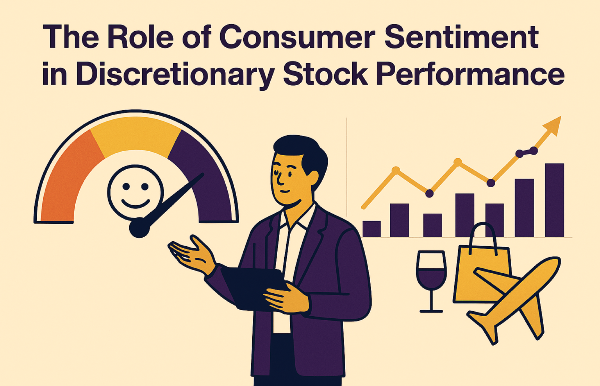
This industry belongs to the consumer discretionary sector. That means performance often rises and falls with consumer confidence. When people feel secure, they spend more on fashion. When the economy slows, they may cut back.
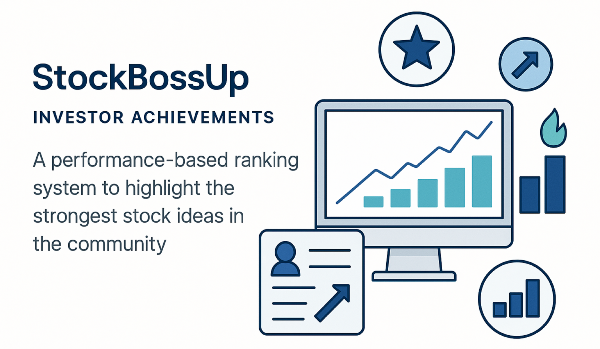
StockBossUp ranks apparel retail stocks using a community-driven system. The rankings come from top investors who consistently outperform. These rankings update daily, giving readers a fresh look at which stocks stand out.
Sometimes you may see only a few stocks listed—or none at all. That doesn’t mean the industry is weak. It often means the community is not ranking many stocks in this industry a Buy. When sentiment is cautious, fewer stocks rise to the top.
What Makes Apparel Retail Stocks Unique
Apparel retailers face fast-changing trends. They must manage inventory carefully and respond quickly to customer preferences. Fashion cycles, seasonality, and social media all affect demand.
These companies operate both physical stores and online platforms. Omnichannel strategies help improve customer experience. Retailers that blend digital and in-store shopping often perform better.
Margins can be tight. Discounts, returns, and supply chain costs affect profitability. Brands with strong loyalty programs and efficient logistics tend to do well.
Industry Breakdown Table
| Category |
Focus Area |
Investor Notes |
| Fast Fashion |
Trend-driven, low-cost styles |
High volume, low margin |
| Premium Lifestyle Brands |
Seasonal collections, brand equity |
Strong margins, loyal customers |
| Athletic Wear |
Fitness, outdoor, athleisure |
Performance-focused growth |
| Department Store Apparel |
Broad mix, private labels |
Value-driven, cyclical |
Top Apparel Retail Stocks to Watch
Below are examples of well-known apparel retail companies. These are not recommendations. They show the types of businesses investors often follow.
1. Lululemon Athletica
Lululemon (LULU)
Lululemon sells athletic and lifestyle apparel. It focuses on premium quality and direct-to-consumer channels. Investors watch its store growth and digital expansion.
2. Levi Strauss & Co.
Levi Strauss (LEVI)
Levi’s is a global denim brand. It sells through retail stores, department stores, and online. The company benefits from strong brand recognition and seasonal collections.
3. Nike Inc.
Nike (NKE)
Nike is a leader in athletic wear. It focuses on innovation, performance, and global reach. Investors track its digital sales and product launches.
4. Gap Inc.
Gap (GPS)
Gap owns brands like Old Navy, Banana Republic, and Athleta. It serves value-conscious customers and offers a mix of fashion and basics.
5. Ralph Lauren Corporation
Ralph Lauren (RL)
Ralph Lauren sells premium apparel and accessories. It focuses on brand storytelling and global expansion. Investors watch its margins and retail footprint.
Trends Driving Apparel Retail Stock Performance
Mobile shopping is growing. Customers use apps to browse, buy, and track orders. Retailers that optimize mobile experiences often see higher conversion rates.
Sustainability matters. Consumers want ethical sourcing, recycled materials, and transparent supply chains. Brands that meet these goals build trust.
Social commerce is expanding. Influencers and live shopping events drive traffic. Retailers that tap into these trends may grow faster.
Resale and circular fashion are gaining traction. Some companies offer secondhand platforms or trade-in programs. This helps attract eco-conscious shoppers.
Key Metrics Table
| Metric |
Why It Matters |
Impact on Investors |
| Same-Store Sales |
Tracks organic growth |
Higher numbers signal demand |
| Operating Margin |
Measures cost control |
Strong margins attract capital |
| Inventory Turnover |
Shows product movement |
High turnover reduces markdowns |
| Loyalty Program Size |
Indicates customer retention |
Larger programs boost stability |
Evaluating Apparel Retail Stocks Like a Pro
Start with revenue and same-store sales. These show whether a company is growing organically. Look at margins to see how well it controls costs.
Check inventory turnover. Companies that move products quickly avoid markdowns. Slow turnover may signal weak demand or poor planning.
Brand strength matters. Loyal customers help companies weather downturns. Marketing, product quality, and service all support brand value.
Balance sheets reveal financial health. Companies with strong cash flow and low debt can invest more. Those with weak finances may struggle during slow periods.
Why Apparel Retail Stocks Fit in a Consumer Discretionary Portfolio
Apparel retail stocks rise and fall with consumer spending. When people feel confident, they spend more on fashion. When the economy slows, they may cut back.
These stocks offer exposure to lifestyle trends, seasonal cycles, and innovation. They complement other cyclical holdings like travel, restaurants, and entertainment.
Some companies also offer defensive traits. Basics and essentials often see steady demand. That helps balance risk in a portfolio.
Using StockBossUp to Find the Best Picks
StockBossUp ranks apparel retail stocks based on top investor performance. These rankings update daily. That means you always see the most current views.
If the list shows only a few stocks, it may mean the community is cautious. When few stocks are rated a Buy, it reflects lower confidence. This can help investors avoid weak sectors.
You can explore each stock’s profile, review investor notes, and compare performance. This helps you make informed decisions based on real data and community insight.
Conclusion
Apparel retail stocks offer exposure to fashion, lifestyle, and consumer trends. They benefit from mobile shopping, sustainability, and brand loyalty. Community rankings on StockBossUp make it easier to see which companies top investors favor. With daily updates and clear insights, you can stay ahead of trends in this fast-moving industry.








Apparel retail stocks represent companies that sell clothing, footwear, and accessories. These businesses range from fast fashion chains to premium lifestyle brands. They serve a wide range of customers and respond quickly to changing trends.
This industry belongs to the consumer discretionary sector. That means performance often rises and falls with consumer confidence. When people feel secure, they spend more on fashion. When the economy slows, they may cut back.
StockBossUp ranks apparel retail stocks using a community-driven system. The rankings come from top investors who consistently outperform. These rankings update daily, giving readers a fresh look at which stocks stand out.
Sometimes you may see only a few stocks listed—or none at all. That doesn’t mean the industry is weak. It often means the community is not ranking many stocks in this industry a Buy. When sentiment is cautious, fewer stocks rise to the top.
What Makes Apparel Retail Stocks Unique
Apparel retailers face fast-changing trends. They must manage inventory carefully and respond quickly to customer preferences. Fashion cycles, seasonality, and social media all affect demand.
These companies operate both physical stores and online platforms. Omnichannel strategies help improve customer experience. Retailers that blend digital and in-store shopping often perform better.
Margins can be tight. Discounts, returns, and supply chain costs affect profitability. Brands with strong loyalty programs and efficient logistics tend to do well.
Industry Breakdown Table
Top Apparel Retail Stocks to Watch
Below are examples of well-known apparel retail companies. These are not recommendations. They show the types of businesses investors often follow.
1. Lululemon Athletica
Lululemon (LULU)
Lululemon sells athletic and lifestyle apparel. It focuses on premium quality and direct-to-consumer channels. Investors watch its store growth and digital expansion.
2. Levi Strauss & Co.
Levi Strauss (LEVI)
Levi’s is a global denim brand. It sells through retail stores, department stores, and online. The company benefits from strong brand recognition and seasonal collections.
3. Nike Inc.
Nike (NKE)
Nike is a leader in athletic wear. It focuses on innovation, performance, and global reach. Investors track its digital sales and product launches.
4. Gap Inc.
Gap (GPS)
Gap owns brands like Old Navy, Banana Republic, and Athleta. It serves value-conscious customers and offers a mix of fashion and basics.
5. Ralph Lauren Corporation
Ralph Lauren (RL)
Ralph Lauren sells premium apparel and accessories. It focuses on brand storytelling and global expansion. Investors watch its margins and retail footprint.
Trends Driving Apparel Retail Stock Performance
Mobile shopping is growing. Customers use apps to browse, buy, and track orders. Retailers that optimize mobile experiences often see higher conversion rates.
Sustainability matters. Consumers want ethical sourcing, recycled materials, and transparent supply chains. Brands that meet these goals build trust.
Social commerce is expanding. Influencers and live shopping events drive traffic. Retailers that tap into these trends may grow faster.
Resale and circular fashion are gaining traction. Some companies offer secondhand platforms or trade-in programs. This helps attract eco-conscious shoppers.
Key Metrics Table
Evaluating Apparel Retail Stocks Like a Pro
Start with revenue and same-store sales. These show whether a company is growing organically. Look at margins to see how well it controls costs.
Check inventory turnover. Companies that move products quickly avoid markdowns. Slow turnover may signal weak demand or poor planning.
Brand strength matters. Loyal customers help companies weather downturns. Marketing, product quality, and service all support brand value.
Balance sheets reveal financial health. Companies with strong cash flow and low debt can invest more. Those with weak finances may struggle during slow periods.
Why Apparel Retail Stocks Fit in a Consumer Discretionary Portfolio
Apparel retail stocks rise and fall with consumer spending. When people feel confident, they spend more on fashion. When the economy slows, they may cut back.
These stocks offer exposure to lifestyle trends, seasonal cycles, and innovation. They complement other cyclical holdings like travel, restaurants, and entertainment.
Some companies also offer defensive traits. Basics and essentials often see steady demand. That helps balance risk in a portfolio.
Using StockBossUp to Find the Best Picks
StockBossUp ranks apparel retail stocks based on top investor performance. These rankings update daily. That means you always see the most current views.
If the list shows only a few stocks, it may mean the community is cautious. When few stocks are rated a Buy, it reflects lower confidence. This can help investors avoid weak sectors.
You can explore each stock’s profile, review investor notes, and compare performance. This helps you make informed decisions based on real data and community insight.
Conclusion
Apparel retail stocks offer exposure to fashion, lifestyle, and consumer trends. They benefit from mobile shopping, sustainability, and brand loyalty. Community rankings on StockBossUp make it easier to see which companies top investors favor. With daily updates and clear insights, you can stay ahead of trends in this fast-moving industry.