Why Do Most People Fail to Understand Robotics in Auto Manufacturing?
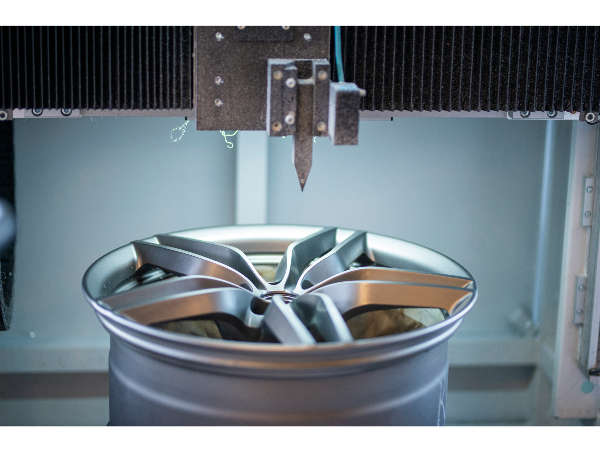
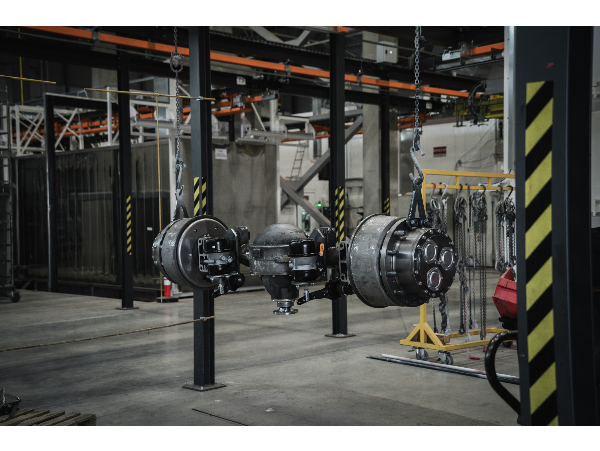
Robotics in auto production is more than machines welding metal.
It includes:
- Automated assembly
- Smart sensors
- AI‑driven inspection
- Robotic painting
- Automated logistics
- Precision welding
Many investors focus on factory size.
But robotics reveals deeper efficiency.
Companies leading in robotics often:
- Build smart factories
- Use AI‑powered robots
- Reduce production errors
- Improve worker safety
- Scale production globally
Companies that fall behind may struggle to compete.
Why Does Tesla Lead in Robotics Through Vertical Integration?
Tesla builds highly automated factories.
Robots handle welding, painting, and assembly.
The company uses AI‑powered robots.
This helps improve accuracy.
Tesla designs many of its own machines.
This reduces production costs.
The company uses robotics to scale quickly.
This includes gigafactories around the world.
Tesla’s strong brand loyalty supports rapid adoption.
One unique fact is that Tesla uses robots to cast large vehicle sections in single pieces, reducing hundreds of parts into one.
Tesla Robotics Snapshot
| Strength Area        | Impact on Robotics Leadership |
|----------------------|-------------------------------|
| Gigacasting          | Fewer parts, faster assembly  |
| AI‑powered robots    | Higher accuracy               |
| In‑house machinery   | Lower production costs        |
Why Does Toyota Lead in Robotics Through Lean Manufacturing?
Toyota uses robotics to support its lean production system.
Robots handle welding, painting, and inspection.
The company uses sensors to detect defects.
This helps improve quality.
Toyota invests in robotics research.
This includes AI‑driven automation.
The company builds efficient factories.
Robotics helps reduce waste.
Toyota’s strong brand loyalty supports long‑term innovation.
Why Does Hyundai Use Robotics Across Multiple Divisions?
Hyundai invests in robotics for vehicles, factories, and logistics.
The company owns a robotics firm.
Hyundai uses robots for welding and assembly.
It also uses robots for inspection.
The company invests in autonomous factory robots.
These robots move parts across the factory.
Hyundai’s global presence supports strong robotics growth.
Toyota & Hyundai Robotics Snapshot
| Manufacturer | Key Strength            | Impact on Robotics Leadership |
|--------------|--------------------------|-------------------------------|
| Toyota       | Lean manufacturing       | Strong efficiency             |
| Hyundai      | Robotics division        | Rapid automation growth       |
Why Does BMW Lead in Robotics for Luxury and Precision?
BMW uses robotics for precision assembly.
This includes engines and electric motors.
The company uses AI‑powered robots.
These robots detect defects.
BMW invests in smart factories.
Robotics supports automation.
The company uses robots for painting.
This improves consistency.
BMW’s strong brand loyalty supports robotics adoption.
Why Does Mercedes‑Benz Use Robotics for Safety and Quality?
Mercedes invests in robotics for safety systems.
Robots help assemble advanced sensors.
The company uses robots for welding and painting.
This improves accuracy.
Mercedes uses AI‑powered inspection robots.
These robots detect defects.
The company invests in electric vehicles.
Robotics supports battery assembly.
Mercedes’ strong brand loyalty supports automation.
BMW & Mercedes Robotics Snapshot
| Manufacturer | Key Strength            | Impact on Robotics Leadership |
|--------------|--------------------------|-------------------------------|
| BMW          | Precision assembly       | Strong premium performance    |
| Mercedes     | Safety systems           | High‑quality automation       |
Why Does BYD Use Robotics for EV and Battery Production?
BYD builds electric vehicles and batteries.
Robotics helps improve efficiency.
The company uses robots for battery assembly.
This improves safety.
BYD invests in robotics research.
This includes AI‑powered automation.
The company expands globally.
Robotics supports scaling.
BYD’s strong EV leadership supports robotics adoption.
Why Does Honda Use Robotics Across Multiple Divisions?
Honda builds vehicles, motorcycles, and power equipment.
Robotics supports all divisions.
The company uses robots for welding and assembly.
This improves accuracy.
Honda invests in robotics research.
This includes AI‑powered automation.
The company uses robots for inspection.
This helps reduce defects.
Honda’s strong brand loyalty supports robotics adoption.
BYD & Honda Robotics Snapshot
| Manufacturer | Key Strength            | Impact on Robotics Leadership |
|--------------|--------------------------|-------------------------------|
| BYD          | Battery automation       | Strong EV efficiency          |
| Honda        | Multi‑division robotics  | Stable automation growth      |
Why Does GM Use Robotics for EV and Autonomous Production?
GM uses robots for battery assembly.
This includes Ultium cells.
The company uses robots for welding and painting.
This improves consistency.
GM invests in robotics for autonomous vehicles.
This includes sensor assembly.
The company uses AI‑powered inspection robots.
These robots detect defects.
GM’s strong funding supports robotics research.
Why Does Stellantis Use Robotics for Global Expansion?
Stellantis formed from the merger of Fiat Chrysler and PSA Group.
The company now operates many brands.
Stellantis uses robots for welding and assembly.
This improves efficiency.
The company invests in robotics for electric vehicles.
This includes battery systems.
Stellantis uses AI‑powered robots.
This helps reduce production costs.
Stellantis’ strong cash flow supports robotics investment.
GM & Stellantis Robotics Snapshot
| Manufacturer | Key Strength            | Impact on Robotics Leadership |
|--------------|--------------------------|-------------------------------|
| GM           | EV + autonomy            | Strong robotics expansion     |
| Stellantis   | Multi‑brand automation   | Large robotics investment     |
Why Do Some Automakers Struggle With Robotics?
Some companies struggle because they face:
- High automation costs
- Weak robotics strategy
- Slow technology adoption
- Limited factory upgrades
- Poor integration with AI
Companies with weak robotics programs may fall behind.
They may also struggle to compete with global leaders.
Weak robotics adoption can limit long‑term growth.
Why Does Robotics Leadership Matter for Investors?
Robotics shows long‑term innovation.
It also shows strong management.
Companies leading in robotics can:
- Reduce production costs
- Improve quality
- Scale globally
- Increase safety
Robotics also supports strong brand loyalty.
This helps reduce financial risk.
Investors often prefer companies with strong robotics programs.
Summary of Automakers Using Robotics in Production
| Manufacturer | Key Strength                | Robotics Advantage              |
|--------------|------------------------------|---------------------------------|
| Tesla        | Gigacasting + AI robots      | Faster, cheaper production      |
| Toyota       | Lean manufacturing           | Strong efficiency               |
| Hyundai      | Robotics division            | Rapid automation growth         |
| BMW          | Precision assembly           | Strong premium performance      |
| Mercedes     | Safety + inspection robots   | High‑quality automation         |
| BYD          | Battery automation           | Strong EV efficiency            |
| Honda        | Multi‑division robotics      | Stable automation growth        |
| GM           | EV + autonomy robotics       | Strong robotics expansion       |
| Stellantis   | Multi‑brand automation       | Large robotics investment       |
What Is the Real Reason Certain Automakers Lead in Robotics?
The problem introduced at the start of this article has a clear answer now.
Only a few automakers lead in robotics because they invest heavily in automation, build smart factories, and integrate AI into production. They also maintain global testing programs and avoid excessive borrowing. These steps take time, and most competitors are still catching up.
The companies leading today are the ones that align their entire strategy with long‑term innovation and global expansion. That is why they stay ahead while others struggle to keep pace.





Why Do Most People Fail to Understand Robotics in Auto Manufacturing?
Robotics in auto production is more than machines welding metal.
It includes:
Many investors focus on factory size.
But robotics reveals deeper efficiency.
Companies leading in robotics often:
Companies that fall behind may struggle to compete.
Why Does Tesla Lead in Robotics Through Vertical Integration?
Tesla builds highly automated factories.
Robots handle welding, painting, and assembly.
The company uses AI‑powered robots.
This helps improve accuracy.
Tesla designs many of its own machines.
This reduces production costs.
The company uses robotics to scale quickly.
This includes gigafactories around the world.
Tesla’s strong brand loyalty supports rapid adoption.
One unique fact is that Tesla uses robots to cast large vehicle sections in single pieces, reducing hundreds of parts into one.
Tesla Robotics Snapshot
Why Does Toyota Lead in Robotics Through Lean Manufacturing?
Toyota uses robotics to support its lean production system.
Robots handle welding, painting, and inspection.
The company uses sensors to detect defects.
This helps improve quality.
Toyota invests in robotics research.
This includes AI‑driven automation.
The company builds efficient factories.
Robotics helps reduce waste.
Toyota’s strong brand loyalty supports long‑term innovation.
Why Does Hyundai Use Robotics Across Multiple Divisions?
Hyundai invests in robotics for vehicles, factories, and logistics.
The company owns a robotics firm.
Hyundai uses robots for welding and assembly.
It also uses robots for inspection.
The company invests in autonomous factory robots.
These robots move parts across the factory.
Hyundai’s global presence supports strong robotics growth.
Toyota & Hyundai Robotics Snapshot
Why Does BMW Lead in Robotics for Luxury and Precision?
BMW uses robotics for precision assembly.
This includes engines and electric motors.
The company uses AI‑powered robots.
These robots detect defects.
BMW invests in smart factories.
Robotics supports automation.
The company uses robots for painting.
This improves consistency.
BMW’s strong brand loyalty supports robotics adoption.
Why Does Mercedes‑Benz Use Robotics for Safety and Quality?
Mercedes invests in robotics for safety systems.
Robots help assemble advanced sensors.
The company uses robots for welding and painting.
This improves accuracy.
Mercedes uses AI‑powered inspection robots.
These robots detect defects.
The company invests in electric vehicles.
Robotics supports battery assembly.
Mercedes’ strong brand loyalty supports automation.
BMW & Mercedes Robotics Snapshot
Why Does BYD Use Robotics for EV and Battery Production?
BYD builds electric vehicles and batteries.
Robotics helps improve efficiency.
The company uses robots for battery assembly.
This improves safety.
BYD invests in robotics research.
This includes AI‑powered automation.
The company expands globally.
Robotics supports scaling.
BYD’s strong EV leadership supports robotics adoption.
Why Does Honda Use Robotics Across Multiple Divisions?
Honda builds vehicles, motorcycles, and power equipment.
Robotics supports all divisions.
The company uses robots for welding and assembly.
This improves accuracy.
Honda invests in robotics research.
This includes AI‑powered automation.
The company uses robots for inspection.
This helps reduce defects.
Honda’s strong brand loyalty supports robotics adoption.
BYD & Honda Robotics Snapshot
Why Does GM Use Robotics for EV and Autonomous Production?
GM uses robots for battery assembly.
This includes Ultium cells.
The company uses robots for welding and painting.
This improves consistency.
GM invests in robotics for autonomous vehicles.
This includes sensor assembly.
The company uses AI‑powered inspection robots.
These robots detect defects.
GM’s strong funding supports robotics research.
Why Does Stellantis Use Robotics for Global Expansion?
Stellantis formed from the merger of Fiat Chrysler and PSA Group.
The company now operates many brands.
Stellantis uses robots for welding and assembly.
This improves efficiency.
The company invests in robotics for electric vehicles.
This includes battery systems.
Stellantis uses AI‑powered robots.
This helps reduce production costs.
Stellantis’ strong cash flow supports robotics investment.
GM & Stellantis Robotics Snapshot
Why Do Some Automakers Struggle With Robotics?
Some companies struggle because they face:
Companies with weak robotics programs may fall behind.
They may also struggle to compete with global leaders.
Weak robotics adoption can limit long‑term growth.
Why Does Robotics Leadership Matter for Investors?
Robotics shows long‑term innovation.
It also shows strong management.
Companies leading in robotics can:
Robotics also supports strong brand loyalty.
This helps reduce financial risk.
Investors often prefer companies with strong robotics programs.
Summary of Automakers Using Robotics in Production
What Is the Real Reason Certain Automakers Lead in Robotics?
The problem introduced at the start of this article has a clear answer now.
Only a few automakers lead in robotics because they invest heavily in automation, build smart factories, and integrate AI into production. They also maintain global testing programs and avoid excessive borrowing. These steps take time, and most competitors are still catching up.
The companies leading today are the ones that align their entire strategy with long‑term innovation and global expansion. That is why they stay ahead while others struggle to keep pace.